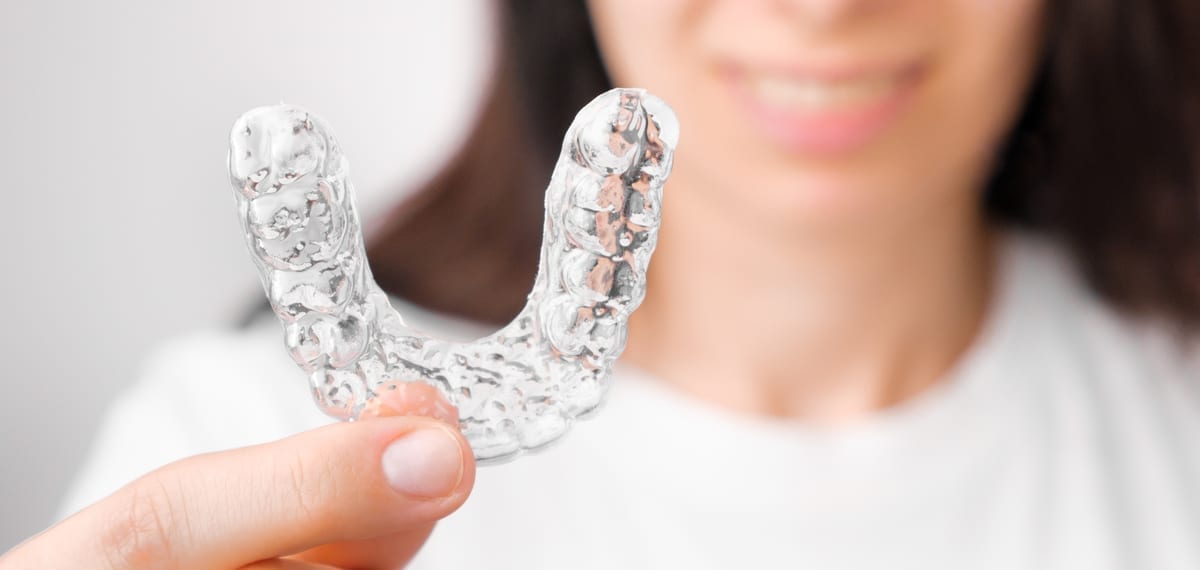

If you’ve been wondering why your dentures are wearing out faster than they should in Batavia, you’re not alone. Many patients come to us with dentures that look years older than they actually are. The culprit is almost always the same thing — daily care habits. Small mistakes in cleaning, soaking, and handling add up quickly. The good news is that most of these problems are entirely preventable.
At Batavia Dental, our dental team sees this issue regularly. Understanding the right routine can dramatically extend the life of your dentures. Let’s walk through exactly what you should be doing every day — and what you should stop doing right now.
The Daily Cleaning Mistakes That Damage Dentures Fastest
Most denture damage doesn’t happen all at once. It builds up gradually through repeated daily mistakes. The most common culprit is using the wrong cleaning products. Many patients grab regular toothpaste out of habit — but toothpaste is too abrasive for denture materials.
Toothpaste creates tiny surface scratches on acrylic. Those scratches trap bacteria, stains, and odor over time. Eventually, the surface becomes permanently discolored and weakened. Switch to a cleaner specifically formulated for dentures instead.
Here are the most damaging daily cleaning habits to avoid:
- Using whitening or regular fluoride toothpaste on dentures
- Scrubbing with a stiff-bristled toothbrush
- Rinsing with boiling or very hot water
- Skipping cleaning on days when dentures feel fine
- Using bleach-based household cleaners on pink acrylic parts
A soft-bristled denture brush is the right tool. Gentle circular strokes remove plaque without scratching. Rinse thoroughly after every meal when possible. This simple habit prevents buildup that degrades the material over months.
Why Soaking Matters More Than Most Batavia Patients Realize
Dentures are designed to stay moist. When they dry out overnight, the acrylic material can warp or crack. This is one of the leading reasons why your dentures are wearing out faster than they should in Batavia — patients skip the nightly soak.
Always remove your dentures before sleeping. Soak them in plain cool water or a denture-specific soaking solution overnight. Never use hot water — it distorts the shape of the denture base. A warped denture won’t fit properly, which creates friction and further accelerates wear.
Follow this simple nightly soaking routine:
- Rinse dentures under cool running water to remove loose debris
- Gently brush all surfaces with a soft denture brush
- Place dentures in a clean container filled with cool water or denture solution
- Leave them fully submerged until morning
- Rinse again before placing them back in your mouth
If you use a soaking tablet, follow the manufacturer’s timing instructions. Soaking too long in certain solutions can weaken metal clasps on partial dentures. Check the product label carefully. Our dental team is happy to recommend specific products suited to your denture type.
Handling Errors That Cause Chips, Cracks, and Warping
Dentures are more fragile than they look. Even a short drop onto a hard bathroom floor can crack or chip them beyond repair. Many patients don’t realize how often damage happens during routine handling.
One of the most effective tips is simple — fill your sink with water before removing or cleaning your dentures. If they slip from your hands, they land in water instead of on porcelain. This one habit prevents a surprising number of fractures.
Here are other handling mistakes that shorten denture lifespan:
- Bending flexible partials repeatedly during cleaning
- Forcing dentures into position instead of seating them gently
- Wrapping dentures in a paper towel and accidentally throwing them away
- Leaving dentures where pets can reach them
- Using denture adhesive to compensate for a poor fit
That last point deserves special attention. Adhesive is a temporary solution, not a long-term fix. If your dentures feel loose, the fit has changed. Wearing ill-fitting dentures accelerates gum tissue changes and puts uneven pressure on the denture base. Book an adjustment appointment sooner rather than later.
How Diet and Oral Habits Affect Denture Wear in Batavia
What you eat and drink plays a real role in denture lifespan. Staining beverages like coffee, tea, and red wine are absorbed into micro-scratches on poorly maintained dentures. Once deep stains set in, professional cleaning can only do so much.
Hard or sticky foods also stress the denture structure. Chewing on ice, biting into hard candy, or eating very sticky foods can crack acrylic and loosen partial clasps. Distribute chewing evenly on both sides of your mouth when possible. This reduces concentrated stress on one area of the appliance.
Some patients also grind their teeth at night — a habit called bruxism. If you grind while sleeping with dentures in, you’ll wear them down significantly faster. Talk to our dental team about whether a night guard or other solution is appropriate for your situation. Protecting your dentures is part of protecting your overall oral health.
Batavia Dental also offers Cosmetic Dentistry Batavia services for patients exploring all options, including tooth replacement alternatives. If you’re looking for comprehensive care for the whole family, our Family Dentistry Batavia services cover patients of every age.
When to Come In for a Professional Denture Check
Even with a perfect care routine, dentures don’t last forever. Most dentures need professional evaluation every year. Your mouth changes shape over time, especially in the bone and gum tissue beneath the denture. A denture that fit perfectly five years ago may be creating damage today.
Watch for these signs that your dentures need professional attention:
- Increased soreness or irritation in the gums
- Clicking or shifting when you speak or chew
- Visible cracks, chips, or worn spots on the surface
- Difficulty keeping the denture in place
- Changes in how your face looks around the mouth
Regular professional cleanings and relines keep dentures functioning correctly. Our dental team can also identify early signs of gum tissue changes before they become serious problems. Staying on schedule with checkups is just as important as your daily care routine at home.
Conclusion: Small Habits, Big Difference
Understanding why your dentures are wearing out faster than they should in Batavia comes down to the small daily choices you make. The right brush, the right water temperature, the right soaking solution — these details matter more than most people expect. Protecting your dentures is an investment in your comfort, your confidence, and your overall oral health.
Our dental team at Batavia Dental is here to guide you through every step of denture care. Whether you need a professional cleaning, a reline, or a full evaluation, we’re ready to help. Book Now to schedule your appointment with our team.
Frequently Asked Questions
How often should I clean my dentures each day?
You should clean your dentures at least once a day, ideally after every meal. Use a soft denture brush and a cleaner made specifically for dentures. Avoid regular toothpaste, which is too abrasive and scratches the surface over time.
Can I sleep with my dentures in?
It’s generally recommended to remove dentures at night. Sleeping with them in prevents the gum tissue from resting and recovering. It also skips the nightly soak, which is essential for keeping dentures moist and preventing warping.
How long do dentures typically last?
With proper daily care, most dentures last between five and ten years. However, fit should be evaluated annually because your mouth changes shape over time. Poorly fitting dentures wear out faster and can cause damage to your gum tissue.
What soaking solution should I use overnight?
Plain cool water works well for overnight soaking. You can also use a denture-specific soaking tablet dissolved in water. Avoid hot water, which warps acrylic, and avoid bleach-based solutions on dentures with pink acrylic sections or metal clasps.
What should I do if my denture cracks or chips?
Do not try to repair a cracked denture at home with glue. Household adhesives are not safe for use in the mouth and can make professional repair more difficult. Contact Batavia Dental as soon as possible to have the damage professionally assessed and repaired.