Dental Implants are one of the most effective solutions for replacing missing teeth. They look, feel, and function like natural teeth. Many patients find them life-changing for their confidence and oral health. Our dental team at Batavia Dental is here to help you understand everything about this treatment.
Tooth loss is more common than most people realize. It can affect eating, speaking, and self-esteem. Fortunately, modern dentistry offers reliable and long-lasting options. Dental Implants stand out as the gold standard for tooth replacement.
What Are Dental Implants?
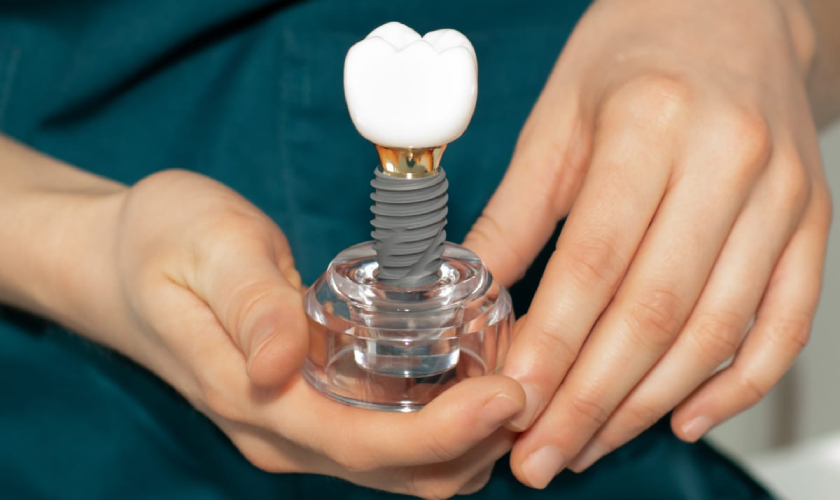
A dental implant is a small titanium post. It is surgically placed into the jawbone beneath the gum line. This post acts as an artificial tooth root. Over time, it fuses with the bone through a process called osseointegration.
Once the implant bonds with the bone, a connector piece called an abutment is attached. A custom-made dental crown is then placed on top. The final result closely mimics the appearance and function of a natural tooth. Most patients find it difficult to tell the difference between an implant and a real tooth.
Implants are designed to be permanent. Unlike dentures, they do not need to be removed for cleaning. They also do not rely on neighboring teeth for support. This makes them a conservative and effective long-term solution.
Key Benefits of Dental Implants
Dental Implants offer a wide range of advantages over other tooth replacement options. Understanding these benefits helps patients make informed decisions about their care. Our dental team encourages every patient to ask questions before committing to any treatment.
- Natural appearance: Implants blend seamlessly with surrounding teeth.
- Improved function: You can eat and speak without discomfort or slipping.
- Jawbone preservation: Implants stimulate the bone and prevent deterioration.
- Long lifespan: With proper care, implants can last many decades.
- No impact on adjacent teeth: Neighboring teeth remain untouched.
- Easy maintenance: Brush and floss them just like natural teeth.
These benefits make implants a preferred choice for many patients. They support not just aesthetics but also overall oral function. Patients often report improved quality of life after treatment.
Who Is a Candidate for Dental Implants?
Not everyone is an immediate candidate for dental implants. A thorough evaluation is required before any treatment begins. Our dental team will assess your overall oral and general health. Several key factors determine eligibility.
Good candidates typically share these characteristics:
- Sufficient jawbone density to support the implant post
- Healthy gum tissue with no active periodontal disease
- No uncontrolled systemic health conditions
- Non-smoker or willing to quit, as smoking affects healing
- Commitment to maintaining good oral hygiene after treatment
Patients who lack adequate bone density may still qualify. Bone grafting procedures can rebuild the jawbone over time. This prepares the site for a successful implant placement. Our team will discuss all available options during your consultation.
Age is also a consideration. Implants are generally not recommended for younger patients whose jawbones are still developing. Adults of all ages, including seniors, can often receive implants successfully. Learn more about our team and how we approach personalized treatment planning.
The Dental Implant Process: Step by Step
The implant process typically takes place over several months. Each step is carefully planned to ensure the best outcome. Patience during the process leads to a more stable and lasting result. Here is what patients can generally expect.
- Initial consultation: Our dental team reviews your health history, takes X-rays, and discusses your goals.
- Treatment planning: A customized plan is created based on your specific needs and bone structure.
- Implant placement: The titanium post is surgically inserted into the jawbone under local anesthesia.
- Healing period: The bone fuses with the implant over several weeks to months.
- Abutment placement: Once healed, a connector piece is attached to the implant post.
- Crown placement: A custom crown is secured to complete the restoration.
Each stage allows time for proper healing and integration. Some patients may need additional procedures such as bone grafting or tooth extraction beforehand. Our team guides you through every phase of care. You will never feel left in the dark about what comes next.
Caring for Your Dental Implants
Post-treatment care plays a huge role in the longevity of your implants. The good news is that caring for implants is straightforward. You follow many of the same habits recommended for natural teeth. Consistency is the most important factor.
Here are some essential care tips:
- Brush twice daily with a soft-bristle toothbrush
- Floss around the implant daily to remove plaque
- Attend regular dental checkups and professional cleanings
- Avoid chewing on hard objects like ice or pen caps
- Quit smoking if applicable, as it can compromise implant health
Regular dental visits allow our team to monitor the implant and surrounding tissues. Early detection of any issues leads to faster and simpler solutions. Explore our full range of dental services to support your ongoing oral health.
How Dental Implants Compare to Other Options
Patients often wonder how implants compare to dentures or dental bridges. Each option has its own set of advantages and limitations. Understanding the differences helps you choose the right path for your lifestyle. Our dental team is happy to discuss all alternatives with you in detail.
Dentures are removable and may require adhesives to stay in place. They can sometimes slip during eating or speaking. They also do not stimulate the jawbone, which can lead to bone loss over time. Many patients find dentures less comfortable compared to implants.
Dental bridges are fixed and do not require removal. However, they depend on the support of neighboring healthy teeth. Those adjacent teeth must be filed down to anchor the bridge. This permanently alters otherwise healthy tooth structure.
Dental Implants avoid both of these drawbacks. They stand independently and preserve surrounding teeth and bone. For most healthy adults, implants offer the most comprehensive long-term solution available in modern dentistry.
Conclusion
Dental Implants represent a remarkable advancement in restorative dentistry. They restore function, appearance, and confidence in a lasting way. Understanding the process, benefits, and care involved helps patients approach treatment with confidence. Our dental team at Batavia Dental is committed to providing clear, honest education every step of the way. Learn More about how we can help you.
Frequently Asked Questions
How long do dental implants last?
With proper care and regular dental visits, dental implants can last 20 years or more. Many patients keep their implants for a lifetime. The crown on top may need replacement after 10 to 15 years due to normal wear.
Is the dental implant procedure painful?
The procedure is performed under local anesthesia, so most patients feel little to no pain during placement. Mild soreness and swelling are common in the days following surgery. Over-the-counter pain relief usually manages discomfort effectively during recovery.
How long does the full implant process take?
The entire process typically takes between three and nine months. This includes healing time after implant placement and before crown attachment. Patients who require bone grafting may experience a longer overall timeline.
Can dental implants fail?
Implant failure is uncommon but can occur. Risk factors include smoking, poor oral hygiene, and certain health conditions. Following your dental team’s aftercare instructions significantly reduces the risk of complications or failure.
Are dental implants suitable for seniors?
Yes, dental implants can be an excellent option for older adults. Age alone is not a barrier to receiving implants. Candidacy is based on bone density, gum health, and overall well-being rather than age.