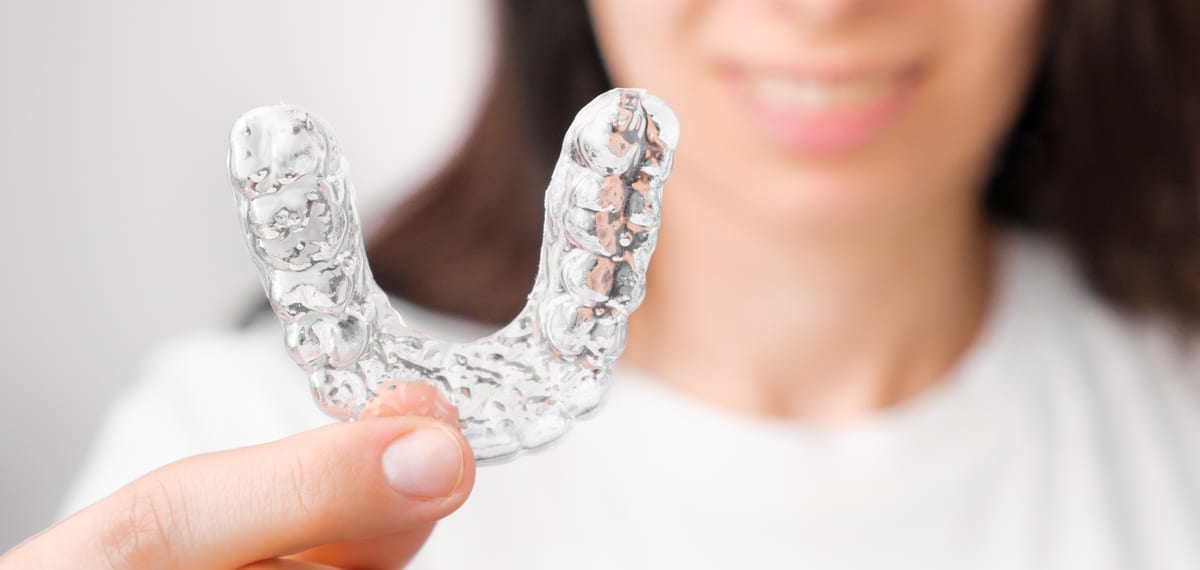

Your smile deserves attention every single day — not just at your twice-yearly checkups. If you want to keep your smile pristine between dental visits in Batavia, building strong daily habits is essential. The steps you take at home directly affect your oral health, your comfort, and your long-term results. Our dental team at Batavia Dental is here to guide you with practical, proven strategies you can start using today.
Batavia residents lead busy lives. Between work, family, and community activities, it can be easy to let oral hygiene routines slide. But small, consistent actions compound over time — for better or worse. This guide breaks down exactly what you should do between appointments to protect your teeth, gums, and overall wellness.
Master the Right Brushing Technique Between Visits in Batavia
Brushing twice a day is the foundation of good oral hygiene. However, technique matters just as much as frequency. Many people brush too aggressively or miss key areas entirely.
Follow these steps for effective brushing every time:
- Use a soft-bristled toothbrush to avoid enamel wear
- Hold the brush at a 45-degree angle to your gumline
- Use gentle, circular motions — never scrub back and forth
- Brush for a full two minutes, covering all surfaces
- Don’t forget your tongue — bacteria thrive there too
Replace your toothbrush every three months. Worn bristles clean far less effectively. Electric toothbrushes can also improve plaque removal for many patients, especially those with limited dexterity.
Fluoride toothpaste is strongly recommended for most adults and children. It strengthens enamel and helps resist decay between professional cleanings. Ask our dental team which formula suits your specific needs.
Flossing and Rinsing: The Steps Most Patients Skip
Brushing alone cleans only about 60% of your tooth surfaces. Flossing reaches the tight spaces your brush simply cannot access. If you skip flossing, you leave plaque and food debris between teeth every single day.
Many patients in Batavia tell us they find flossing uncomfortable or time-consuming. The good news is that consistency gets easier with practice. Within a week or two, your gums will adjust and bleeding will typically decrease.
Here are smart flossing and rinsing habits to add to your routine:
- Floss at least once daily — ideally before bed
- Use a C-shape around each tooth and slide gently below the gumline
- Try floss picks or water flossers if traditional floss feels difficult
- Follow up with an antimicrobial or fluoride mouthwash
- Avoid eating or drinking for 30 minutes after rinsing
Mouthwash is not a replacement for flossing. Think of it as a finishing step that reduces bacteria and freshens breath. For patients with early gum concerns, a therapeutic rinse can provide extra protection.
Diet Adjustments That Protect Your Smile Every Day
What you eat and drink has a direct impact on your dental health. Certain foods fuel cavity-causing bacteria. Others help neutralize acids and strengthen your teeth naturally.
Sugary snacks and acidic beverages are among the biggest threats to enamel. Sodas, sports drinks, citrus juices, and candy all lower the pH in your mouth. This acidic environment weakens enamel and accelerates tooth decay.
Protective foods and beverages to prioritize include:
- Water — especially fluoridated tap water — to rinse away debris
- Dairy products like cheese and yogurt that neutralize acids
- Crunchy vegetables such as carrots and celery that stimulate saliva
- Lean proteins that support gum tissue health
- Green and black teas that contain cavity-fighting compounds
When you do consume sugary or acidic foods, try to do so during meals rather than throughout the day. Sipping on soda for hours exposes your teeth to prolonged acid attacks. Rinsing with water afterward helps reduce this exposure significantly.
Recognizing Warning Signs Before Your Next Appointment
Between visits, your mouth will sometimes send signals that something needs attention sooner. Learning to recognize these signs helps you act quickly and avoid more serious problems.
Tooth sensitivity to hot, cold, or sweet foods can indicate early decay or enamel erosion. Gum bleeding during brushing is often a sign of inflammation. Persistent bad breath, loose teeth, or jaw pain should never be ignored.
If you experience any of these symptoms, don’t wait for your scheduled appointment. Emergency Dentistry services are available for unexpected dental concerns that arise between regular visits. Prompt care can prevent a minor issue from becoming a major procedure.
Mouth sores that don’t heal within two weeks also warrant a professional evaluation. Changes in how your bite feels, or visible chips and cracks, are other signs to report. Our dental team can assess these concerns and recommend the right next steps for you.
Choosing the Right Products for Your Smile
The dental care aisle can feel overwhelming. Dozens of toothpaste brands, floss types, and mouthwashes all compete for your attention. Not every product is right for every patient.
Batavia patients with sensitivity issues benefit from desensitizing toothpaste. Those with a history of cavities should prioritize high-fluoride formulas. Patients managing gum concerns may benefit from prescription-strength rinses.
Look for products with the ADA Seal of Acceptance. This seal confirms that the product has been tested for safety and effectiveness. When in doubt, bring your questions to your next appointment — our team is happy to help you choose wisely.
Our Family Dentistry services are designed to support patients of all ages with personalized oral care guidance. Whether you’re shopping for yourself or your children, we can point you toward products that match your specific oral health needs.
Building a Routine That Actually Sticks
Knowing what to do is only half the battle. The other half is building a consistent habit. Research shows that habits form more reliably when tied to existing routines.
Try pairing your brushing and flossing with something you already do every day. Brush right after breakfast and again before bed. Keep your floss next to your toothbrush so it’s impossible to miss.
Set a two-minute timer when you brush. Most people think they brush long enough — but most don’t. A simple timer makes a meaningful difference in the thoroughness of your cleaning.
Even the best at-home routine doesn’t replace professional care. Regular cleanings remove tartar buildup that brushing alone cannot address. Staying consistent with your scheduled visits in Batavia ensures our dental team catches any emerging issues early.
Conclusion: Your Smile Starts at Home
Keeping your smile healthy between appointments is absolutely within your control. With the right brushing technique, daily flossing, smart food choices, and appropriate products, you can protect and preserve your results year-round. Small daily efforts add up to a lifetime of stronger, healthier teeth. Book Now to schedule your appointment with our team.
Frequently Asked Questions
How often should I brush my teeth between dental visits?
You should brush at least twice daily — once in the morning and once before bed. Using a fluoride toothpaste and a soft-bristled brush for two full minutes each session gives you the best results between professional cleanings.
Is flossing really necessary if I brush well?
Yes, flossing is essential. Brushing only cleans about 60% of your tooth surfaces. Flossing removes plaque and food debris from between teeth and just below the gumline — areas your toothbrush simply cannot reach.
What foods should I avoid to protect my teeth?
Limit sugary snacks, sodas, sports drinks, and acidic foods like citrus fruits. These lower the pH in your mouth and weaken enamel over time. Rinse with water after consuming them and try to eat these foods during meals rather than throughout the day.
What signs should prompt me to call the dentist before my next scheduled visit?
Contact our dental team if you notice tooth sensitivity, bleeding gums, persistent bad breath, mouth sores that don’t heal, loose teeth, jaw pain, or visible cracks and chips. These symptoms can signal issues that are easier and less costly to treat when caught early.
How do I choose the right dental products for my needs?
Look for products with the ADA Seal of Acceptance as a starting point. Beyond that, your choice depends on your specific concerns — sensitivity, cavity history, or gum health. Our dental team can recommend the most appropriate toothpaste, floss, and mouthwash for your unique situation during your next visit.