
You invested time, money, and trust into your smile. Now you are noticing your cosmetic dental work fading, chipping, or losing its brightness. If you are a Batavia patient asking how to protect that investment, you are in the right place. This complete maintenance guide covers everything you need to keep your cosmetic results looking great for years to come.
Why Cosmetic Dental Work Fades Over Time
No cosmetic treatment lasts forever without proper care. Veneers, bonding, whitening, and crowns all face daily wear from chewing, grinding, and dietary choices. Understanding why fading happens helps you take smarter steps to slow it down.
Teeth whitening is the most vulnerable to fading. Pigmented foods and drinks like coffee, red wine, and berries stain enamel quickly. Bonding and composite materials also absorb color over time.
Veneers are more stain-resistant, but the bonding cement at the edges can discolor. Crowns may show wear at the gumline as natural tissue shifts. Even the most durable restorations need consistent upkeep to stay beautiful.
Your Daily Maintenance Routine for Batavia Patients
A strong daily routine is your first defense against cosmetic dental work fading. Small habits practiced consistently make a significant difference over months and years.
Use a non-abrasive whitening toothpaste twice daily. Abrasive formulas can scratch porcelain and composite surfaces, making them dull faster. A soft-bristled toothbrush protects restorations while still cleaning effectively.
Here are daily habits every Batavia patient should follow:
- Brush gently for two full minutes, morning and night
- Floss daily to remove plaque at restoration margins
- Rinse with an alcohol-free mouthwash to avoid drying out bonding material
- Drink water after consuming staining beverages
- Use a straw when drinking coffee, tea, or soda
- Avoid smoking or tobacco products that stain and weaken restorations
These steps take only minutes each day. But they protect results that took hours in the dental chair to achieve.
Foods, Habits, and Activities to Avoid
Certain behaviors accelerate cosmetic dental work fading far more than others. Knowing what to avoid helps you make smarter choices without overhauling your entire lifestyle.
Hard foods like ice, hard candies, and crusty bread put stress on veneers and bonding. Biting your nails or chewing on pens creates repeated pressure on fragile restoration edges. These small habits cause chips and cracks over time.
Watch out for these common culprits:
- Chewing ice or hard candies
- Opening packages or bottles with your teeth
- Grinding your teeth at night without a protective nightguard
- Consuming acidic foods and drinks that weaken bonding agents
- Skipping your mouthguard during contact sports
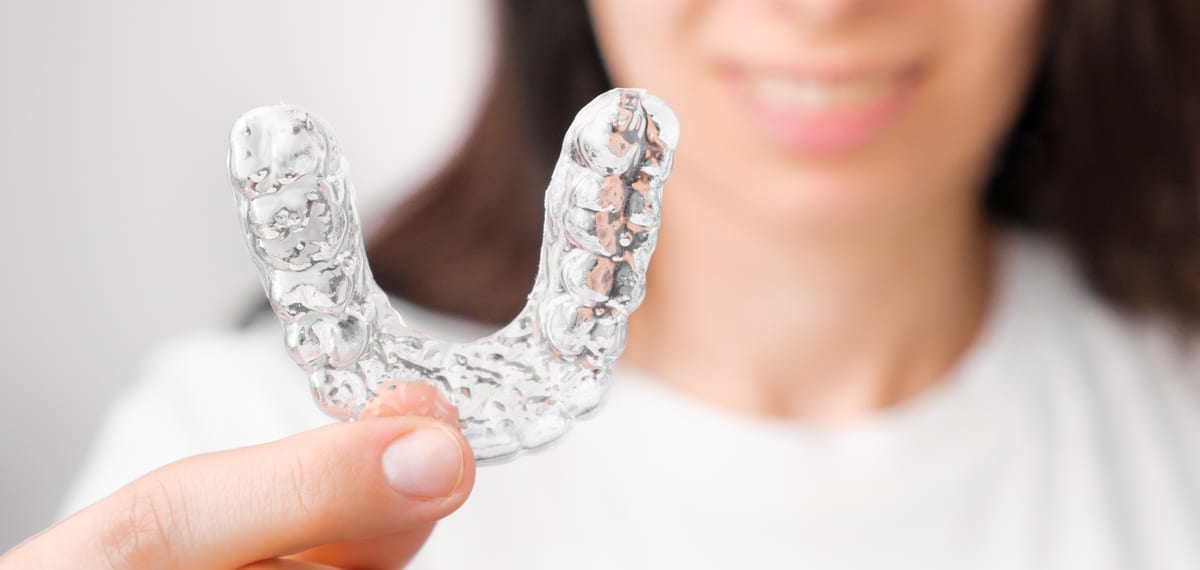
Bruxism, or nighttime teeth grinding, is one of the leading causes of cosmetic restoration damage. If you grind your teeth, ask our dental team about a custom nightguard. It is a small device that prevents major damage while you sleep.
If you ever experience sudden damage to a restoration, do not wait. Emergency Dentistry is available to address chipped veneers, broken crowns, or lost bonding before the damage worsens.
Scheduling Professional Maintenance Visits
At-home care alone is not enough to keep cosmetic work in top condition. Professional maintenance visits are essential for catching early signs of wear, staining, or damage.
Plan to visit your dentist at least twice a year for cleanings and checkups. These appointments allow our dental team to polish restorations safely and remove surface staining. Professional-grade tools clean areas your toothbrush simply cannot reach.
During maintenance visits, your dentist will also evaluate the integrity of your restorations. They check for lifting edges on veneers, wear on composite bonding, and color changes in crowns. Early detection means simpler, less costly repairs.
Patients with extensive cosmetic work may benefit from more frequent visits. Ask our team whether a three or four times per year schedule makes sense for your smile. Our Family Dentistry services make it easy for the whole household to maintain healthy, beautiful smiles together.
When to Consider Touch-Ups or Replacements
Even with excellent care, cosmetic restorations have a lifespan. Knowing when to refresh your results saves you from larger problems down the road.
Teeth whitening typically needs a touch-up every six to twelve months. Composite bonding lasts five to seven years on average before needing replacement. Porcelain veneers can last ten to fifteen years with proper maintenance.
Signs that a restoration needs attention include visible discoloration, rough edges, sensitivity near the restoration, or a change in how your bite feels. Do not ignore these signals. Acting early keeps the repair process simple and affordable.
Touch-up whitening treatments can often be done at home with custom trays from your dentist. These are more effective and safer than over-the-counter kits. Your dentist can recommend the right option based on your specific restorations.
Building a Long-Term Plan for Your Smile
Protecting your cosmetic dental investment requires a long-term mindset. Think of maintenance as ongoing care rather than a one-time fix. Your smile reflects your health and confidence every single day.
Work with your dental team to create a personalized maintenance schedule. Every smile is different, and your plan should match your specific restorations and lifestyle. Regular communication with your dentist keeps your results on track.
Batavia patients who stay proactive with their dental care enjoy longer-lasting results. They spend less time worrying about cosmetic dental work fading and more time showing off their smiles. Consistent care truly pays off in the long run.
Ready to protect your smile for the long haul? Book Now to schedule your appointment with our team.
Frequently Asked Questions
How long does cosmetic dental work typically last?
The lifespan depends on the type of treatment. Teeth whitening may need touch-ups every six to twelve months. Composite bonding usually lasts five to seven years. Porcelain veneers can last ten to fifteen years with consistent care and regular dental visits.
Can I whiten my teeth if I have veneers or bonding?
Whitening products do not change the color of porcelain veneers or composite bonding. They only work on natural tooth enamel. Whitening unevenly can make restorations look mismatched. Talk to your dentist before starting any whitening treatment to ensure a uniform result.
What is the best toothpaste for maintaining cosmetic dental work?
Use a non-abrasive toothpaste with fluoride. Avoid whitening toothpastes that contain harsh abrasives, as they can scratch veneer and bonding surfaces over time. Your dental team can recommend a specific brand that suits your restorations.
Do I need a nightguard if I have cosmetic dental work?
Yes, especially if you grind or clench your teeth at night. Bruxism puts enormous pressure on veneers, crowns, and bonding. A custom nightguard from your dentist protects restorations while you sleep and significantly extends their lifespan.
How often should I visit the dentist to maintain my cosmetic results?
Most patients benefit from professional cleanings and checkups twice a year. Those with extensive cosmetic work may want to visit three to four times per year. Your dentist will help you determine the right frequency based on your individual needs and restoration types.