
If you’ve been told you need a root canal, your first question is probably about pain. Most patients in Batavia come to us feeling nervous. Understanding what you’ll actually feel during your root canal treatment in Batavia can make a huge difference. When you know what to expect at every step, fear fades fast.
Root canals have a reputation that simply doesn’t match reality. Modern techniques and effective numbing make this procedure far more comfortable than people expect. Our dental team at Batavia Dental is here to walk you through the experience — step by step, sensation by sensation.
Step One: Numbing Your Tooth — What the Anesthetic Feels Like
The very first thing we do is make sure you feel nothing. Our dental team applies a topical numbing gel to your gum before giving any injection. This gel dulls the surface tissue so the needle causes minimal discomfort. Most patients say they feel only a brief pinch — nothing more.
Once the local anesthetic takes effect, the tooth and surrounding area go completely numb. You might feel slight pressure as we work, but you should not feel pain. If at any point you do feel discomfort, let us know immediately. We can add more anesthetic before continuing.
Here’s what patients typically report during the numbing stage:
- A mild sting lasting one to two seconds from the injection
- A heavy or thick feeling in the jaw and lip
- Slight tingling in the cheek or tongue
- Complete numbness within five to ten minutes
These sensations are completely normal. They mean the anesthetic is working as it should.
Step Two: Accessing the Tooth — Pressure Without Pain
Once you’re fully numb, our dental team creates a small opening in the top of your tooth. We use a dental drill to do this. You will hear the sound of the drill and feel some vibration. However, you should not feel any sharp or painful sensation.
Many patients are surprised by how little they feel at this stage. The main sensation is pressure — a firm but painless pushing feeling. Some patients also notice a slight smell, which is simply the dental materials being used. It is nothing to worry about.
The access opening allows us to reach the infected pulp inside the tooth. This pulp contains nerves and blood vessels. Removing it is the core purpose of the procedure. Because the area is numb, this process causes far less discomfort than most people anticipate.
What You’ll Actually Feel During Root Canal Treatment in Batavia: The Cleaning Stage
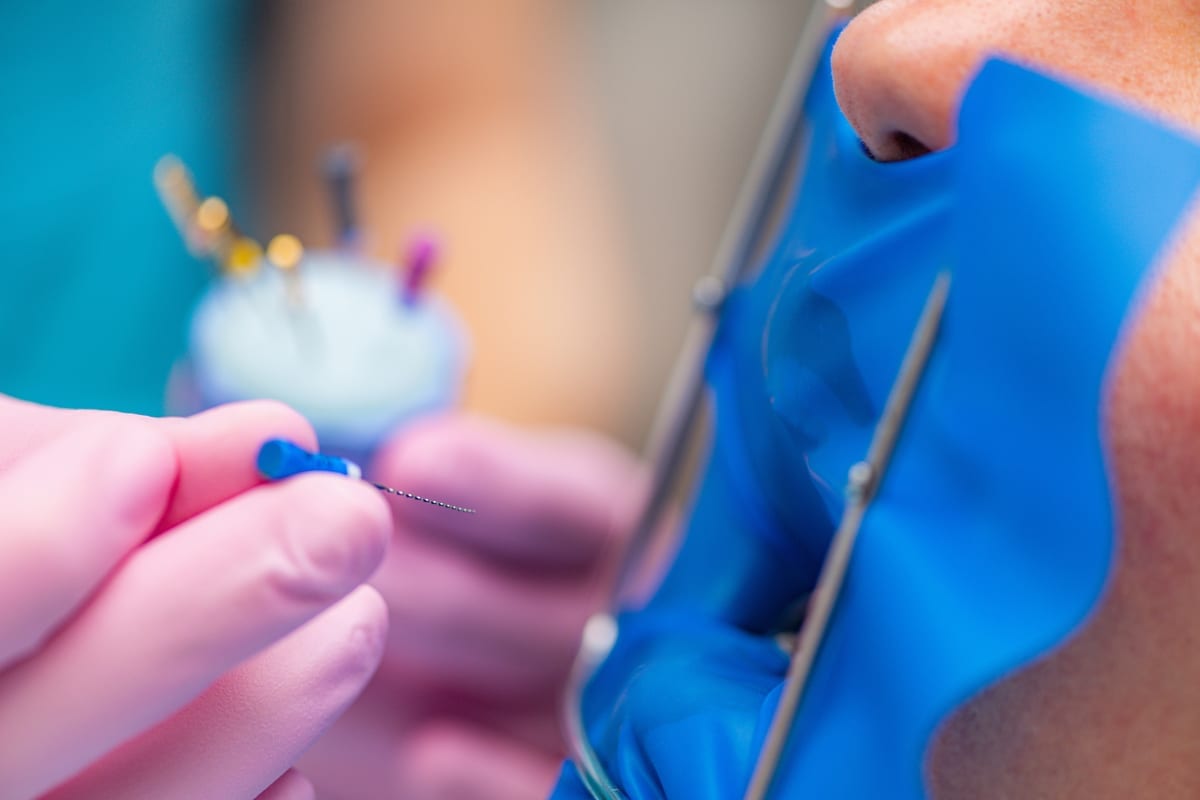
This is the main event of the procedure. Our dental team uses small, flexible files to clean out the canals inside your tooth root. These canals are tiny passages that run down into your jawbone. Cleaning them removes all infected tissue.
During this stage, you may feel:
- Occasional mild pressure deep in the tooth
- A slight sense of movement or vibration
- Brief sensitivity if a file reaches near the root tip
- No sharp pain if the numbing is working well
If you feel anything sharp, tell our dental team right away. We can pause and re-numb the area. Your comfort throughout this stage is our priority. Most patients are genuinely surprised at how manageable this part of the process feels.
Between each file, we rinse the canal with a cleaning solution. This flushes out bacteria and debris. You may taste a faint, slightly medicinal flavor. This is normal and harmless. The rinsing process is an important part of making the procedure successful.
Sealing the Tooth and What Comes After
Once the canals are clean and shaped, we fill them with a rubber-like material called gutta-percha. This permanently seals the root canals. We then place a temporary or permanent filling in the access opening on top of the tooth.
During the sealing stage, you may feel slight pressure as the material is placed. Some patients notice warmth from the dental tools used to seal the material. Neither sensation should be painful. The entire sealing process typically takes just a few minutes.
After the procedure, the numbness will wear off over the next few hours. As it does, you may notice:
- Mild tenderness around the treated tooth
- Slight soreness in the jaw from keeping your mouth open
- Sensitivity when biting down for a day or two
- Gradual improvement in discomfort over three to five days
Over-the-counter pain relievers manage post-treatment soreness well for most patients. Our dental team will give you specific aftercare guidance before you leave. In most cases, patients return to normal activity the very next day.
Why Root Canals Feel So Much Better Than You Expect
Decades ago, root canals were genuinely uncomfortable procedures. Anesthetics were less effective and techniques were more invasive. Today, the experience is entirely different. Most patients at Batavia Dental tell us the procedure was easier than getting a filling.
The tooth being treated is often already causing significant pain before the appointment. The root canal actually removes the source of that pain. Many patients leave the office feeling relief — not discomfort. That’s the outcome we work toward every time.
We understand that dental anxiety is real. Our team takes extra time with nervous patients. We explain every step before we do it. We check in with you throughout the procedure. You are in control of your experience, and we never rush through that.
If you are also curious about smile improvements after your tooth is healed, explore our Cosmetic Dentistry Batavia services to learn what’s possible. We also offer comprehensive care for the whole family through our Family Dentistry Batavia program. Batavia Dental is here for every stage of your oral health journey.
Don’t let fear keep you from getting a tooth treated. A root canal done today prevents far bigger problems tomorrow. Book Now to schedule your appointment with our team.
Frequently Asked Questions
Does a root canal hurt during the procedure?
Most patients feel little to no pain during a root canal. Local anesthetic numbs the tooth and surrounding tissue completely before we begin. You may feel pressure or vibration, but sharp pain is not a normal part of the experience. If you feel discomfort at any point, let our team know and we will add more anesthetic.
How long does a root canal appointment take in Batavia?
Most root canal procedures at Batavia Dental take between 60 and 90 minutes for a single visit. Some complex cases or back molars may require a second appointment. Our dental team will give you a clear time estimate during your consultation so you can plan accordingly.
Will I be sore after my root canal?
Mild tenderness and jaw soreness are common for two to three days after treatment. Over-the-counter pain relievers typically manage this discomfort very well. The soreness usually fades quickly, and most patients return to normal activities within 24 hours. We provide full aftercare instructions before you leave the office.
What happens to the tooth after a root canal?
After the root canal is complete, your tooth will need a permanent restoration. In most cases, this means a dental crown placed over the treated tooth. The crown protects the tooth and restores its full function. Our dental team will discuss your restoration options at your appointment.
Is a root canal better than extracting the tooth?
In most cases, saving your natural tooth with a root canal is the preferred option. Natural teeth support jaw health and surrounding teeth better than gaps or replacements. Extraction can lead to bone loss and shifting teeth over time. Our dental team will help you understand all your options so you can make the best choice for your long-term oral health.