

 (630) 872-5369

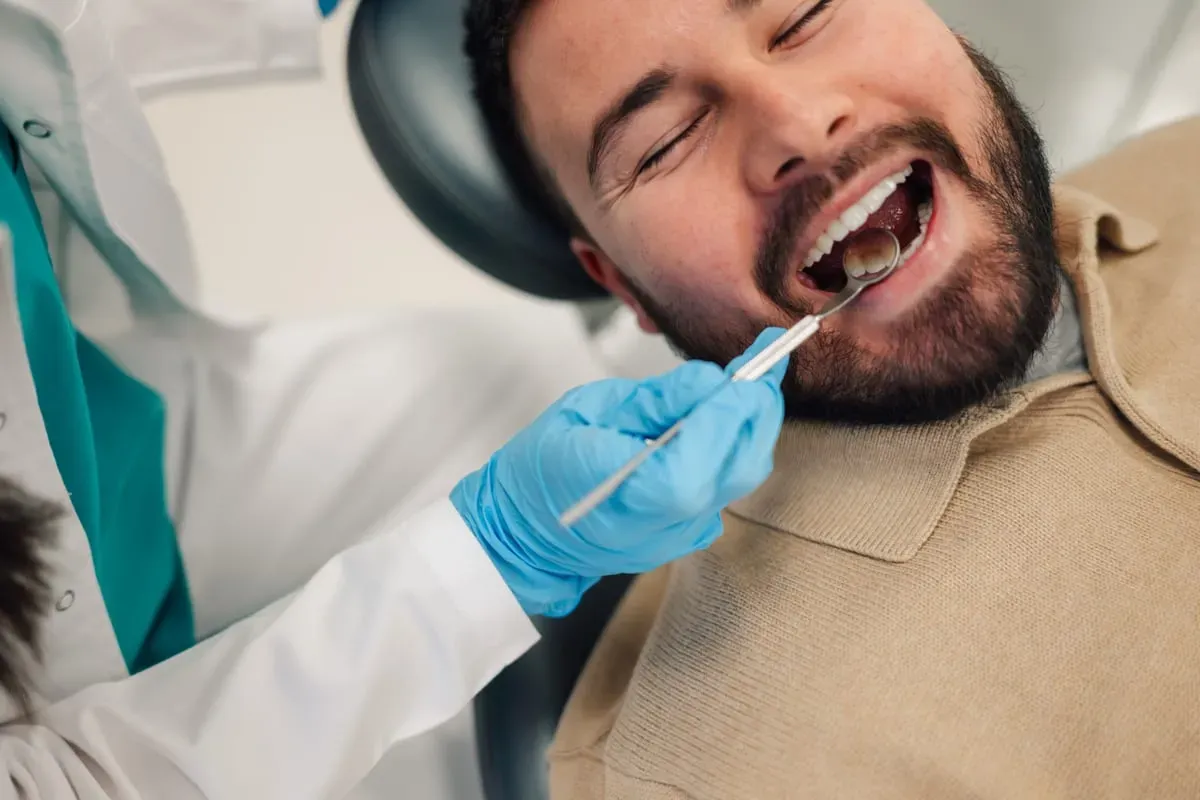
Most people think about the dentist only when something hurts. By then, a small problem has often grown into a bigger, more expensive one. General dentistry exists to flip that script - catching issues early, maintaining the health of teeth and gums you already have, and giving you a clear picture of what's happening inside your mouth before pain ever shows up.
At its core, general dentistry is the foundation of every healthy smile. It covers the routine exams, cleanings, X-rays, fillings, and preventive treatments that keep your teeth functioning well for decades. It's not glamorous work compared to cosmetic procedures, but it's the work that actually protects your health, your comfort, and your wallet over the long run.
This article walks through what general dentistry actually includes, why routine visits matter more than people realize, and how to get the most out of the care your dentist provides. Whether you're overdue for a checkup or simply curious about what happens behind the scenes, this guide will help you understand the full picture.
What Does General Dentistry Actually Cover?
General dentistry is the broad category of care focused on diagnosing, treating, and preventing conditions affecting your teeth, gums, and jaw. Think of it as primary care for your mouth. A general dentist is often the first person to notice early signs of decay, gum disease, bite problems, or even issues unrelated to the mouth, like acid reflux or certain vitamin deficiencies, that show up in oral tissue before anywhere else.
This field includes routine exams and cleanings, but it also extends to fillings, root canals, extractions, crowns, and the management of ongoing conditions like gum disease. It's different from specialized dentistry - orthodontics, oral surgery, or periodontics - because a general dentist handles the full spectrum of everyday dental needs rather than one narrow area. When something falls outside that scope, your general dentist is also the one who recognizes it and refers you to the right specialist.
What makes general dentistry so valuable is continuity. Seeing the same dentist over time means they know your history, your risk factors, and what "normal" looks like for your mouth specifically. That familiarity allows them to spot small changes that a one-time visit elsewhere might miss entirely.
Why Regular Checkups Matter More Than You Think
A routine dental exam isn't just a formality before a cleaning. During a checkup, your dentist examines your teeth for cavities, checks your gums for signs of inflammation or recession, and screens your mouth, tongue, and throat for anything unusual - including early indicators of oral cancer. X-rays, taken periodically, reveal decay between teeth and bone loss around the jaw that simply can't be seen with the naked eye.
The real value of these visits is timing. A cavity caught early can be treated with a simple filling in one short appointment. Left unaddressed, that same cavity can reach the nerve and require a root canal, or progress to the point where the tooth can't be saved at all. Gum disease follows a similar pattern - in its earliest stage, gingivitis, it's fully reversible with professional cleaning and better home care. Once it advances to periodontitis, it causes permanent bone loss that no amount of brushing can undo.
There's also a financial argument that's hard to ignore. Preventive visits are typically far less expensive than the restorative or emergency treatments needed when problems are allowed to progress. Many dental insurance plans cover preventive exams and cleanings at or near 100 percent for exactly this reason - insurers know that prevention costs less than treatment down the line.
What Really Happens During a Professional Cleaning?
Brushing and flossing at home remove soft plaque, but they can't touch tartar - plaque that has hardened onto the tooth surface and below the gumline. Once tartar forms, only a dental professional with the right instruments can remove it safely. That's the main job of a professional cleaning, and it's why even people with excellent home hygiene still need to come in regularly.
During a typical cleaning, a hygienist uses hand instruments or an ultrasonic scaler to remove tartar from around and between your teeth, paying particular attention to areas along the gumline where buildup tends to concentrate. This is followed by polishing, which smooths the tooth surface and removes surface stains from coffee, tea, or wine. Many visits also include flossing and a fluoride treatment to strengthen enamel against future decay.
What a Cleaning Can Reveal
Beyond the cleaning itself, this appointment gives your hygienist and dentist a close-up view of your gum health. They measure the depth of the pockets between your teeth and gums - shallow pockets indicate healthy gums, while deeper pockets can signal the early stages of gum disease. This measurement, tracked over successive visits, is one of the most reliable ways to catch periodontal problems before they cause irreversible damage.
Common Treatments You Might Need Along the Way
Even with consistent preventive care, most people need some kind of restorative treatment at one point or another. Decay, old fillings wearing out, cracked teeth, and infections are a normal part of having teeth for decades. General dentistry covers all of these situations, usually without requiring a referral elsewhere.
-
Fillings: Used to repair teeth affected by decay, removing the damaged portion and replacing it with a durable, tooth-colored material that restores shape and function.
-
Crowns: Full coverage caps placed over a weakened or heavily restored tooth to protect it from further damage and restore its natural bite.
-
Root canal therapy: Addresses infection or inflammation inside the tooth's nerve, relieving pain and allowing the tooth to be saved rather than extracted.
-
Extractions: Reserved for teeth too damaged or infected to repair, performed with attention to preserving the surrounding bone and gum tissue.
-
Gum disease management: Includes deeper cleanings, called scaling and root planing, along with a maintenance schedule designed to stop the progression of periodontal disease.
What ties all of these together is that they're reactive solutions to problems that preventive care is designed to minimize. The fewer fillings, crowns, and root canals you need over your lifetime, the more your regular checkups and cleanings have been doing their job.
How Often Should You Actually Be Seen?
The familiar advice to visit the dentist every six months is a reasonable default for most people with generally healthy teeth and gums, but it isn't a one-size-fits-all rule. Your dentist will tailor a schedule based on your personal risk factors, including your history of cavities, gum disease, smoking, diabetes, dry mouth, or how thoroughly you keep up with brushing and flossing at home.
Some patients, particularly those managing active gum disease, benefit from more frequent visits - often every three to four months - so their hygienist can keep bacteria levels under control before they cause further bone loss. Others with excellent oral health and low risk may be able to stretch to annual visits once their dentist is confident nothing is progressing unnoticed between appointments.
Children generally follow the twice-yearly standard as well, since their teeth are more cavity-prone and dentists use these visits to monitor jaw development and the eruption of permanent teeth. Rather than guessing at the right interval, it's worth asking your dentist directly what schedule makes sense for your specific mouth.
Supporting Your Dental Visits With Better Home Care
Professional care works best when it's paired with consistent habits at home. No amount of twice-yearly cleaning can fully offset daily plaque buildup if brushing and flossing are inconsistent. The two sides of oral health - what you do at home and what your dentist does in the chair - are meant to reinforce each other, not substitute for one another.
Brushing twice a day with a fluoride toothpaste, flossing daily, and limiting frequent snacking on sugary or acidic foods go a long way toward reducing your risk between visits. Simple tools like an electric toothbrush or a water flosser can make a real difference for people who struggle with manual dexterity or find traditional flossing uncomfortable. Diet matters too - frequent sipping on soda or coffee throughout the day exposes teeth to acid far longer than drinking the same beverage in one sitting.
If you notice bleeding gums, persistent bad breath, tooth sensitivity, or a sore that won't heal, don't wait for your next scheduled visit. These symptoms are worth a call to your dentist sooner rather than later, since catching a developing issue between checkups often means a simpler, less invasive fix.
Key Takeaways
- General dentistry covers exams, cleanings, X-rays, fillings, and most everyday dental treatments under one roof.
- Routine checkups catch decay and gum disease early, when treatment is simpler and far less costly.
- Professional cleanings remove hardened tartar that brushing and flossing at home cannot reach.
- Visit frequency should be personalized based on your risk factors, not just a fixed six-month rule.
- Consistent home care and professional visits work together - neither one alone is enough.
Frequently Asked Questions
Does general dentistry include cosmetic procedures like whitening?
Generally, no. General dentistry focuses on the health and function of your teeth and gums, while cosmetic procedures such as whitening, veneers, or bonding fall under cosmetic dentistry. That said, many general dentists also offer popular cosmetic services, so it's worth asking what's available at your own practice.
Is it normal for gums to bleed a little during flossing?
Occasional light bleeding when you first start flossing more consistently can be normal, but persistent bleeding is usually a sign of gum inflammation, or gingivitis. It shouldn't be ignored - mention it at your next visit so your dentist can check your gum health and recommend adjustments to your routine.
How much radiation exposure comes from dental X-rays?
Modern dental X-rays use very low doses of radiation, and digital imaging has reduced exposure even further compared to older film-based methods. Your dentist only takes X-rays as often as clinically necessary, typically once a year for routine monitoring unless a specific concern calls for more.
What should I do if I'm anxious about dental visits?
Dental anxiety is common, and it's worth telling your dental team about it directly rather than avoiding appointments altogether. Many practices offer options like shorter initial visits, clear explanations of each step, or sedation options for more involved procedures to help you feel more comfortable.
Can children see a general dentist, or do they need a pediatric specialist?
Many general dentists see patients of all ages, including children, and are well equipped to handle routine pediatric care. Children with more complex needs or significant anxiety may benefit from a pediatric specialist, but for most families, a general dentist comfortable treating kids works well for the whole household.
Bringing It All Together
General dentistry isn't the flashiest part of dental care, but it's the part that actually protects your teeth over a lifetime. The exams, cleanings, and straightforward treatments that make up this field are what prevent small issues from turning into painful, expensive ones. Skipping them doesn't make dental problems go away - it just delays the moment you find out about them, often until the fix is more involved.
Think of general dentistry as maintenance rather than crisis management. Staying consistent with checkups, keeping up good habits at home, and addressing small concerns as they come up will keep your mouth healthier and your future dental visits simpler. Your teeth are built to last a lifetime with the right care behind them.