Specialized Gum Care
Gentle, thorough gum care that stops infection in its tracks and protects the bone and teeth it threatens to take with it.
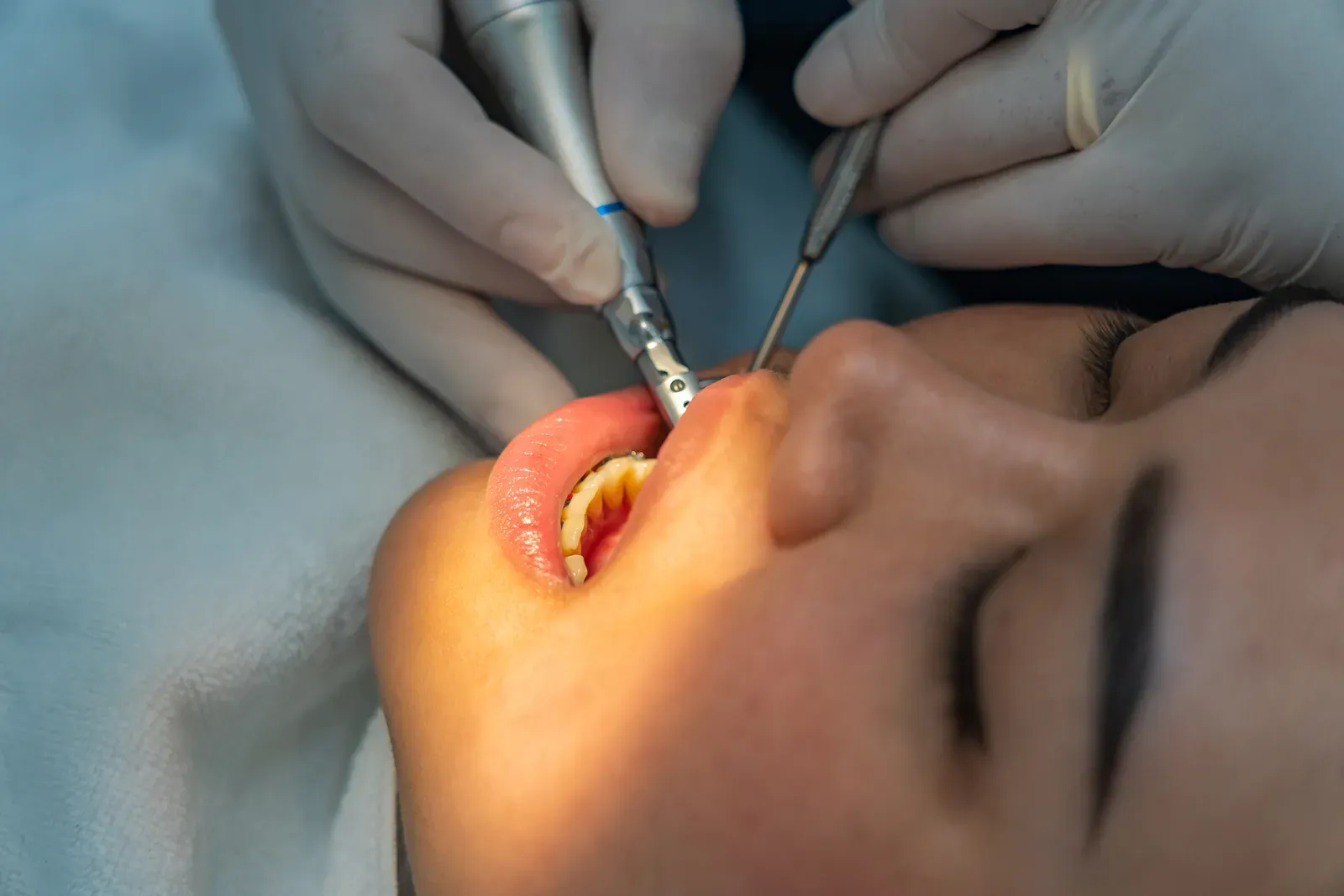
Your gums do more than frame your smile - they hold the bone and connective tissue that keep every tooth anchored in place. When bacteria build up along and beneath the gumline, that foundation starts to weaken. What begins as mild irritation and occasional bleeding can progress, often without obvious pain, into a chronic infection that erodes bone and loosens teeth. Periodontal disease is one of the most common reasons adults eventually lose teeth, and it rarely announces itself loudly until real damage has already occurred.
Many patients we see in our Batavia office are surprised to learn how far their gum disease has advanced, simply because the early signs were easy to dismiss: a little pink in the sink after brushing, gums that look slightly puffy, or breath that never quite feels fresh. Left untreated, these subtle cues can turn into deeper pockets around the teeth, persistent bad breath, gum recession, and eventually tooth mobility that affects everyday chewing, speaking, and confidence in your smile.
At Batavia Dental, we treat periodontal disease as the structural issue it is, not just a cosmetic one. Our approach starts with an honest, measured evaluation of exactly how much bone and tissue support you have left, followed by a treatment plan matched to the real severity of your condition - from thorough non-surgical deep cleaning to coordinated specialist care for more advanced cases. Our goal is always to stop the infection, stabilize what remains, and help you keep your natural teeth for the long run.
Gum disease shows up differently from person to person, and symptoms can be easy to overlook for months or years before they become hard to ignore. If any of the following sound familiar, it's worth having your gums evaluated before the infection advances further.
Because periodontal disease often progresses painlessly in its early and moderate stages, a thorough professional evaluation - including gum pocket measurements and digital imaging - is the only reliable way to catch it before bone loss becomes irreversible.
Gum disease rarely has just one cause. More often, several factors build on each other over time, quietly tipping the balance in favor of harmful bacteria over healthy tissue.
When plaque isn't removed consistently, it hardens into tartar that only a professional cleaning can remove, giving bacteria a stable surface to multiply on along the gumline.
Smoking and vaping reduce blood flow to the gums, masking symptoms like bleeding while actually making it harder for tissue to heal and fight infection.
Some people are simply more prone to gum inflammation regardless of how well they clean their teeth, which is why family history matters during your evaluation.
Elevated blood sugar impairs the body's ability to fight infection, creating a two-way relationship where gum disease and diabetes can each make the other worse.
Some prescriptions reduce saliva flow or cause gum tissue overgrowth, both of which can make plaque harder to manage and gums more vulnerable to infection.
Overlapping teeth create tight spaces that are difficult to clean thoroughly at home, allowing bacteria to collect in areas a toothbrush can't fully reach.
Pregnancy, menopause, and other hormonal shifts can make gum tissue more sensitive and reactive to the same amount of plaque that previously caused no issues.
Going too long between professional cleanings allows tartar to accumulate below the gumline where home brushing and flossing simply can't reach.
Every periodontal treatment plan we create is based on precise measurements of your gum health, not guesswork. Here's what you can expect when you come in for a gum evaluation at Batavia Dental.
We start by listening - to your symptoms, your dental history, and any concerns about bleeding, sensitivity, or loose teeth - so your treatment plan reflects your actual experience, not just a chart.
Using digital X-rays and a full periodontal charting of pocket depths around every tooth, we measure exactly how much bone and attachment loss has occurred and where it's concentrated.
Based on your specific stage of disease, we recommend the right level of care - from scaling and root planing to antibiotic therapy or a referral for surgical treatment when needed - and walk you through each option clearly.
During deep cleaning appointments, we use local anesthetic as needed to keep you comfortable while thoroughly removing plaque and tartar from below the gumline and smoothing root surfaces.
Periodontal disease is managed, not simply cured once. We schedule periodontal maintenance visits at closer intervals than a standard cleaning to track your gum pockets and catch any flare-ups early.
Treating periodontal disease isn't just about stopping bleeding or bad breath. It's about preserving the bone and tissue that keep your teeth stable for years to come.
Removing infection and bacteria from below the gumline allows tissue to reattach and firm back up, reducing looseness and helping teeth stay anchored for daily chewing.
Once the bacterial load underneath your gums is cleared, the persistent odor that often accompanies gum disease typically improves noticeably within weeks.
Treating gum disease early slows or halts further bone loss, protecting the jawbone structure that supports both your natural teeth and any future dental work.
As inflammation subsides, patients often notice chewing feels more comfortable, and sensitivity to hot, cold, or sweet foods along the gumline decreases.
Chronic gum infection has been linked to cardiovascular issues and complications with blood sugar control, so treating it supports more than just your smile.
Healthier, firmer, pink gum tissue frames your teeth the way it's meant to, making your smile look and feel healthier in everyday conversations and photos.
Unlike a cavity, which often causes a sharp toothache that prompts an immediate call to the dentist, periodontal disease tends to progress quietly. The early stage, known as gingivitis, causes redness and occasional bleeding but rarely any real pain, so it's easy to brush off - literally - as a minor annoyance rather than a developing infection. By the time discomfort becomes noticeable, the disease has frequently advanced into periodontitis, where bone loss has already begun.
This is part of why we measure gum pocket depth at every checkup rather than relying solely on how your gums look or feel. A pocket depth of 4 millimeters or more indicates that bacteria have established themselves in a space your toothbrush and floss simply cannot reach, regardless of how diligent your home care routine is. Over months and years, these pockets deepen, bone recedes further, and the support holding your teeth in place continues to weaken.
The encouraging part is that periodontal disease responds well to timely, targeted treatment. Scaling and root planing performed at the right stage can halt further bone loss and allow gum tissue to tighten back up around the tooth. The earlier we identify the problem, the more conservative and comfortable the treatment tends to be - which is exactly why regular periodontal screenings matter even when nothing feels obviously wrong.
What you do at home every day has a real impact on how well your periodontal treatment holds over time. These habits work alongside your in-office care, not instead of it.
Angle your brush at 45 degrees toward the gumline for two minutes, twice daily, to disrupt plaque before it hardens into tartar.
Cleaning between teeth removes bacteria from spaces a toothbrush can't reach, which is often where early gum disease starts.
A targeted mouth rinse can help reduce bacterial load between cleanings, particularly if we've identified deeper pockets during your exam.
Cutting back on smoking or vaping significantly improves your gums' ability to heal and respond to treatment.
If you have diabetes, working with your physician to manage blood sugar directly supports your gum tissue's ability to fight infection.
Periodontal maintenance cleanings, usually every three to four months, remove bacteria that home care alone cannot reach.
These habits genuinely help, but they work best alongside - not in place of - regular professional monitoring. Only an in-office exam can confirm whether your gum pockets are stable or need further attention.
"We never want a patient to feel rushed or judged about the state of their gums. Our job is to explain exactly where things stand, treat the infection thoroughly, and help you keep your own teeth as long as possible."
Answers to the questions Batavia patients ask most often about gum disease and periodontal treatment.
Batavia Dental
Friendly, modern care for every member of your family - schedule your visit with Batavia Dental today.


 (630) 872-5369
