Oral Surgery
Comfortable, surgically precise extractions for impacted or problematic wisdom teeth, guided by a team that puts your comfort first.
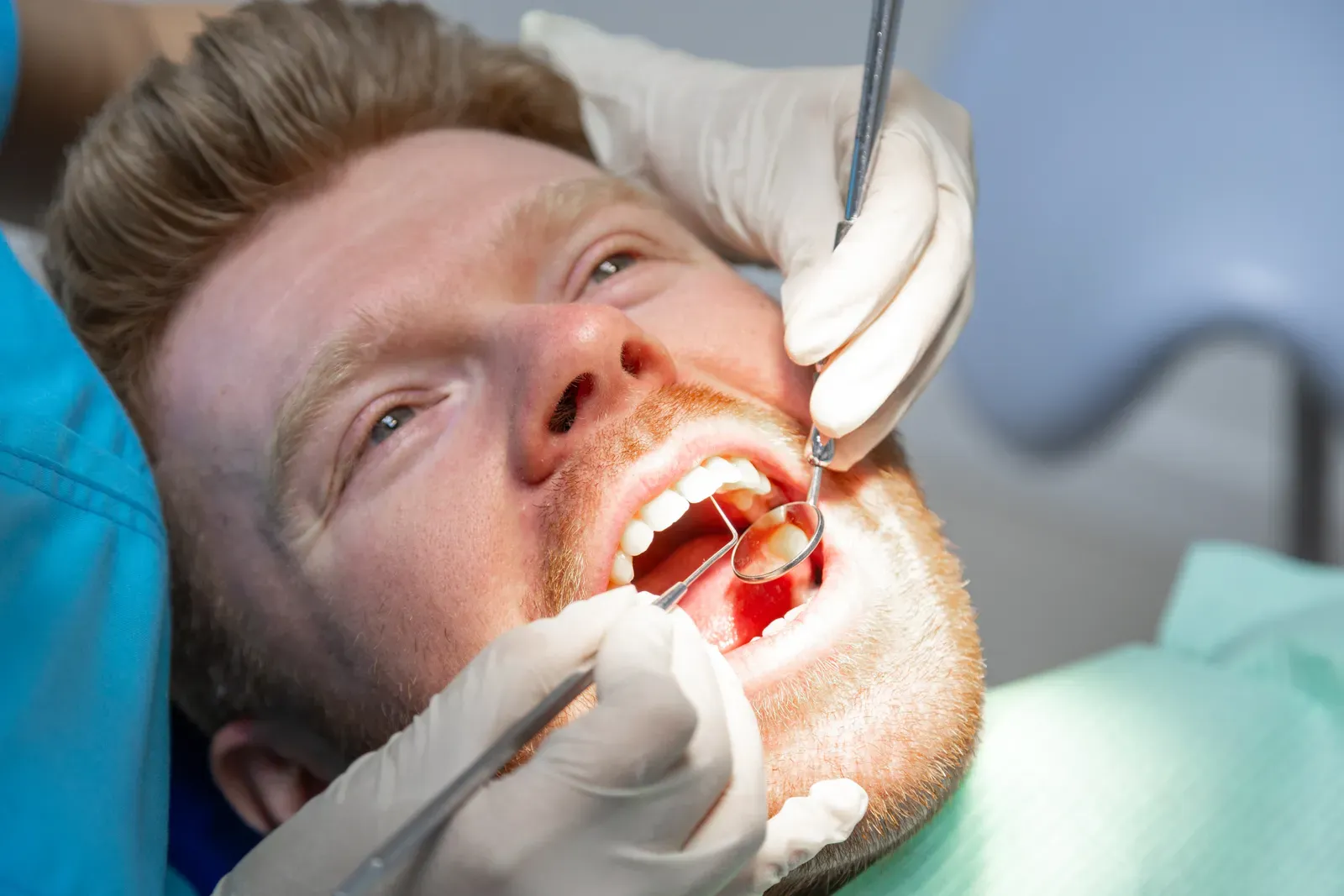
Third molars, more commonly known as wisdom teeth, typically arrive between the ages of 17 and 25, long after your other adult teeth have already settled into place. For many patients, there simply isn't enough room along the jaw to accommodate them properly. The result is teeth that erupt at odd angles, become trapped beneath the gum line, or push against neighboring molars - a condition we call impaction.
Left unaddressed, impacted or partially erupted wisdom teeth can lead to swelling, persistent jaw soreness, difficulty opening your mouth fully, and recurring infections around the gum tissue that partially covers the tooth. Many patients describe a dull ache that worsens when chewing, or notice their back teeth feel crowded and harder to keep clean no matter how carefully they brush. These are not symptoms to wait out - they tend to compound over time rather than resolve on their own.
At Batavia Dental, we approach wisdom teeth removal as part of a broader restorative dentistry philosophy: protect the health and alignment of the teeth you're keeping. Before recommending extraction, we take detailed digital X-rays, evaluate the position and root structure of each wisdom tooth, and talk through what we see in plain language so you understand exactly why a procedure is or isn't necessary.
Not every patient needs their wisdom teeth extracted, and symptoms can range from mild irritation to significant discomfort depending on how the teeth are positioned. The following signs are the ones we hear about most often during exams and consultations at our Batavia office.
Because several of these signs can develop slowly or stay silent until real damage has occurred, we recommend a wisdom tooth evaluation with digital imaging by your late teens or early twenties, even if nothing feels wrong yet. Catching a problem early almost always means a simpler, less invasive procedure.
Wisdom teeth rarely cause issues for just one reason. Usually, several structural factors overlap, which is why two patients with similar X-rays can have very different experiences.
Modern jaws are often simply too short to fit a third set of molars comfortably. When there's nowhere left to erupt, the tooth angles sideways or stays buried under the gum and bone.
Instead of erupting straight up, wisdom teeth frequently tilt toward the adjacent molar or even horizontally into the jawbone, creating pressure that can damage nearby tooth roots.
When a tooth breaks through only partway, a loose flap of gum tissue often covers part of the crown. Food and bacteria collect underneath, leading to repeated, painful infections called pericoronitis.
Because wisdom teeth sit at the very back of the mouth, they're genuinely difficult to brush and floss thoroughly. Cavities often form before a patient even notices discomfort.
Erupting wisdom teeth can push forward against the entire arch, gradually shifting teeth that were previously straight, including after orthodontic treatment.
An impacted tooth sits inside a small sac of tissue. In some cases, this sac fills with fluid and forms a cyst that can slowly erode surrounding bone if left untreated.
Lower wisdom teeth often develop roots close to the nerve that runs through the lower jaw. The longer extraction is delayed, the more these roots can grow near that nerve pathway.
Every patient's jaw structure and tooth position is different, so we build a plan around your specific X-rays rather than treating extraction as a one-size-fits-all procedure.
We start by asking about your symptoms, past dental history, and any concerns you have about the procedure. This conversation helps us understand your comfort level and answer questions before any imaging takes place.
Digital X-rays let us map the exact angle, depth, and root position of each wisdom tooth, including its proximity to nerves and neighboring teeth. This is how we determine whether extraction is actually necessary.
We walk you through whether a simple extraction or a surgical approach is needed, discuss sedation options suited to your anxiety level, and outline realistic recovery timing for your lifestyle.
On the day of your procedure, local anesthesia or sedation keeps you comfortable while we remove the tooth with as little disruption to surrounding tissue as possible, closing the site with sutures when needed.
We send you home with clear aftercare instructions, check in on your healing progress, and remain reachable if swelling, bleeding, or discomfort feels outside the normal range.
Removing a problematic wisdom tooth does more than stop one source of pain - it generally improves how your entire mouth functions day to day.
Once the tooth and its surrounding gum flap are removed, the cycle of pericoronitis and repeated antibiotic courses typically stops for good.
Extraction eliminates the pressure that was pushing against the second molar, reducing decay risk and crowding that could otherwise affect your bite.
Without a hard-to-reach tooth at the back of the arch, brushing and flossing reach every surface, which lowers your long-term cavity and gum disease risk.
Many patients notice that chronic jaw soreness, clicking, and tension headaches near the temples ease significantly once the pressure source is gone.
If you've invested in braces or clear aligners, removing wisdom teeth before they erupt helps protect that alignment from gradual, pressure-driven shifting.
Patients recovering from chronic wisdom tooth discomfort often report sleeping more soundly once the constant low-grade pain and swelling resolve.
An impacted wisdom tooth doesn't just sit quietly in the jaw. The constant pressure it exerts against the adjacent second molar can, over months and years, wear down enamel, loosen root structure, and create tight pockets where plaque and bacteria accumulate out of reach of a toothbrush. This is why patients who delay evaluation often end up needing treatment on two teeth instead of one.
Bone density also plays a role. A wisdom tooth positioned at an angle, rather than straight up and down, places uneven stress on the jawbone as it tries to erupt. Over time, this can contribute to localized bone loss or the slow formation of a cyst around the crown of the tooth. Because this process is frequently painless in its early stages, it's common for us to spot developing issues on a routine X-ray well before a patient feels anything unusual.
Removing the tooth earlier rather than later generally means a shorter, more straightforward procedure with an easier recovery. Root development is less complete, the tooth is smaller, and it hasn't had as much time to anchor itself near sensitive nerve pathways. That's a meaningful part of why we recommend evaluation in the late teens or early twenties, even for patients who aren't experiencing any discomfort yet.
Good home habits can ease discomfort while you wait for your procedure and speed up healing once it's done.
A gentle warm saltwater rinse several times a day can reduce swelling and keep the area around a partially erupted tooth cleaner between visits.
Smoothies, soups, and mashed vegetables reduce strain on the extraction site for the first several days while tissue begins to heal.
Applying a cold pack to the outside of your jaw during the first 24 to 48 hours helps limit swelling and keeps post-surgical discomfort manageable.
Suction from straws or cigarettes can dislodge the healing blood clot and lead to a painful complication called dry socket.
Keep brushing your other teeth as normal, but brush very gently near the surgical area to avoid disturbing stitches or healing tissue.
A brief check-up a week or two after surgery lets us confirm the site is healing properly and address any lingering swelling or discomfort.
These habits make a real difference in comfort and healing time, but they're a complement to professional care, not a substitute for it. If pain, swelling, or bleeding feels unusual at any point, reach out to our office directly.
"We know the words 'wisdom teeth' make a lot of patients nervous. Our job is to explain exactly what we see on your X-rays, walk you through every option calmly, and make sure you feel informed and comfortable before we ever pick up an instrument."
Answers to the questions we hear most often from patients considering wisdom teeth removal at our Batavia office.
Batavia Dental
Friendly, modern care for every member of your family - schedule your visit with Batavia Dental today.


 (630) 872-5369
