

 (630) 872-5369

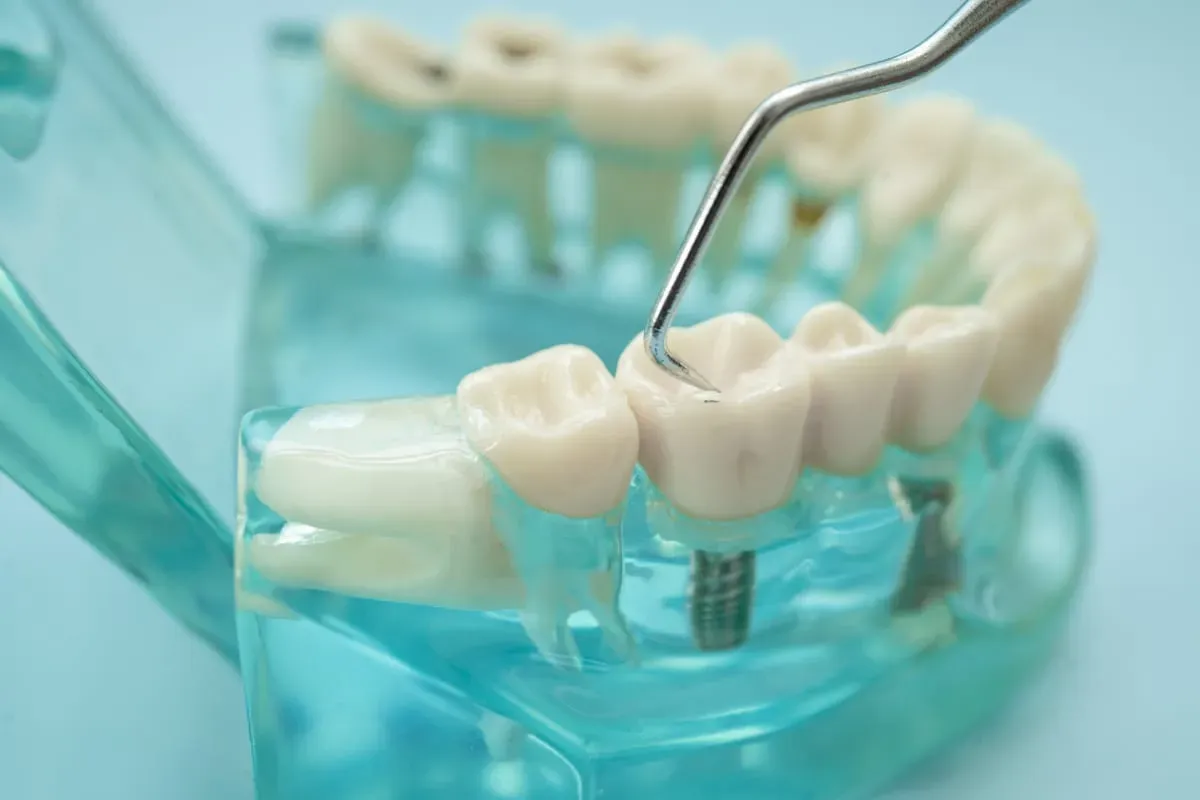
A chipped molar, a deep cavity, or a tooth lost years ago can quietly change how you eat, speak, and smile without you fully noticing until the discomfort becomes hard to ignore. Restorative dentistry is the branch of dental care built specifically to address these problems - repairing damaged structure, replacing what's missing, and bringing your bite back to full working order. It's less about appearance for its own sake and more about function, comfort, and long-term oral health, though the cosmetic improvement is often a welcome bonus.
Many people put off restorative treatment because a tooth "doesn't hurt yet" or because they're unsure what a procedure actually involves. Unfortunately, dental problems rarely improve on their own. A small cavity left untreated can progress to a condition requiring a root canal or extraction, and a single missing tooth can lead to shifting teeth, jaw strain, and bone loss over time. Understanding your options early gives you more choices - and usually a simpler, less expensive path to a healthy mouth.
In this article, we'll walk through the most common restorative treatments, when each one is appropriate, what the process looks like, and how to care for your results. Whether you're dealing with a single damaged tooth or a more complex situation involving several teeth, this guide will help you understand what to expect before you ever sit down in the chair.
What Restorative Dentistry Actually Covers
Restorative dentistry refers to any treatment that repairs or replaces damaged, decayed, or missing teeth. It's distinct from purely cosmetic work - though the two often overlap - because the primary goal is restoring function: being able to chew comfortably, speak clearly, and protect the rest of your mouth from further harm. A filling that stops decay from spreading, a crown that reinforces a cracked tooth, and an implant that replaces a lost molar all fall under this umbrella.
What makes restorative dentistry so broad is the range of situations it addresses. Some patients need a simple, single-visit fix for a small cavity. Others are rebuilding a tooth that's fractured down to the gum line, or replacing several teeth lost to gum disease years ago. Because every case is different, treatment plans are built around your specific mouth - your bite, the condition of surrounding teeth, your bone density, and your long-term goals for comfort and durability.
It's also worth noting that restorative treatment and preventive care work hand in hand. Fixing a damaged tooth doesn't eliminate the need for regular cleanings and checkups - if anything, a restored tooth needs the same attentive care as a natural one to keep it functioning well for years to come.
Treating Decay: Fillings and Inlays
A cavity forms when bacteria produce acid that erodes the hard outer layer of a tooth, eventually creating a hole that will only grow larger over time. Fillings are the most common and most conservative restorative treatment: the decayed portion of the tooth is removed, the area is cleaned, and the remaining space is filled with a durable material that restores the tooth's shape and strength.
Most fillings today use tooth-colored composite resin rather than metal amalgam, which blends naturally with your smile and bonds directly to the tooth structure. For slightly larger areas of decay that are too extensive for a standard filling but not severe enough to need a full crown, an inlay or onlay - a custom-fitted piece made in a lab and bonded into place - offers a strong, long-lasting middle-ground solution.
- Composite fillings: Tooth-colored material placed in a single visit, ideal for small to moderate cavities.
- Inlays and onlays: Lab-crafted restorations for decay too large for a filling but not requiring a crown.
- Early detection: Routine X-rays often catch decay between teeth before you ever feel pain.
Crowns and Bridges for Bigger Repairs
When a tooth has lost too much structure for a filling to hold - because of a large cavity, a fracture, or a previous root canal - a crown is usually the right answer. A crown is a custom cap that covers the entire visible portion of the tooth, restoring its strength, shape, and ability to handle normal biting pressure. Crowns are typically made from porcelain, zirconia, or a combination of materials chosen for both durability and a natural appearance.
Bridges serve a related but different purpose: replacing one or more missing teeth by anchoring a replacement tooth to the crowns placed on the teeth on either side of the gap. A bridge restores your ability to chew evenly on both sides of your mouth and prevents neighboring teeth from drifting into the empty space, which is a common and often overlooked consequence of a missing tooth.
What to Expect During Treatment
Getting a crown or bridge usually takes two visits. During the first, the tooth is reshaped, an impression or digital scan is taken, and a temporary restoration is placed while your permanent piece is fabricated. At the second visit, the permanent crown or bridge is checked for fit and bite alignment, then cemented securely into place. With proper care, a well-made crown can last well over a decade.
Root Canal Therapy: Saving a Damaged Tooth
"Root canal" has an unfair reputation as something to dread, but the procedure itself is designed to relieve pain, not cause it. When decay or injury reaches the soft tissue inside a tooth - the pulp, which contains nerves and blood vessels - it can become infected or inflamed, causing persistent aching, sensitivity to temperature, or swelling. Root canal therapy removes that damaged tissue, cleans and disinfects the inner chamber, and seals it to prevent further infection.
The alternative to a root canal is usually extraction, which means losing the tooth entirely and needing a bridge or implant to replace it later. Saving your natural tooth whenever possible is almost always the preferred outcome, since it preserves your bite pattern and avoids the added cost and time of tooth replacement. After a root canal, the tooth is typically capped with a crown to protect it, since the procedure can leave it slightly more brittle than before.
Modern anesthesia and techniques have made root canal treatment far more comfortable than its reputation suggests. Most patients describe the experience as similar to getting a routine filling, with manageable mild soreness afterward rather than significant pain.
Replacing Missing Teeth: Implants and Dentures
Losing a tooth affects more than appearance. It changes how you chew, puts extra pressure on remaining teeth, and over time can lead to bone loss in the jaw where the tooth used to be. Restorative dentistry offers several ways to replace missing teeth, each suited to different needs, budgets, and oral health conditions.
Dental implants are generally considered the gold standard for tooth replacement. A titanium post is placed directly into the jawbone, where it fuses with bone over several months to create a stable foundation, then a custom crown is attached on top. Implants function and feel remarkably close to natural teeth, and because they stimulate the jawbone the way a natural tooth root does, they help prevent the bone loss that often follows tooth loss.
For patients missing several or all of their teeth, partial or full dentures remain a reliable, lower-cost option, and modern materials have made them far more comfortable and natural-looking than older versions. Implant-supported dentures combine the stability of implants with the broader coverage of a denture, offering a secure fit without the slipping that sometimes concerns denture wearers.
- Single-tooth implants: Replace one missing tooth without affecting neighboring teeth.
- Implant-supported bridges: Replace several teeth in a row using just two or three implant anchors.
- Partial or full dentures: A removable, cost-effective option for replacing multiple or all teeth.
- Implant-supported dentures: A secure, snap-in option combining stability with full-arch coverage.
How We Decide Which Treatment Is Right for You
There's no single "correct" restorative treatment that applies to every patient - the right choice depends on how much natural tooth structure remains, the condition of your gums and jawbone, your overall health, and what you're comfortable with in terms of time and cost. A thorough exam, including digital X-rays, gives us a clear picture of what's happening beneath the surface before recommending a path forward.
We also take your daily life into account. Someone who grinds their teeth at night, for example, may need a sturdier crown material than someone who doesn't. A patient missing a back molar that doesn't show when they smile may prioritize function and cost over cosmetic appearance, while a front-tooth repair might call for closer attention to color matching and shape.
Honest conversation matters here. We'll walk you through the realistic pros, cons, and long-term maintenance of each option that applies to your situation, rather than defaulting to the most expensive solution. In many cases, more than one option will work reasonably well, and the final decision comes down to your preferences and priorities.
Key Takeaways
- Restorative dentistry repairs decayed, damaged, or missing teeth and restores normal chewing and speaking function.
- Fillings and inlays treat decay early, while crowns and bridges address more significant structural damage.
- Root canal therapy saves a tooth with infected or damaged pulp rather than requiring extraction.
- Implants, bridges, and dentures each offer different ways to replace one or more missing teeth.
- Treatment choice depends on your tooth structure, bone health, lifestyle, and long-term goals.
Frequently Asked Questions
Does restorative dental work hurt?
Most restorative procedures are performed with local anesthesia, so you shouldn't feel pain during treatment. Mild soreness or sensitivity for a day or two afterward is common and typically manageable with over-the-counter pain relief.
How long do fillings and crowns typically last?
Composite fillings generally last 7 to 10 years with good care, while crowns made from porcelain or zirconia can last 10 to 15 years or longer. Lifespan depends heavily on oral hygiene, diet, and habits like teeth grinding.
Is a dental implant a better option than a bridge?
Implants typically offer superior long-term durability and help preserve jawbone density, but they involve a longer treatment timeline and higher upfront cost than a bridge. The right choice depends on your bone health, budget, and how quickly you need a replacement tooth in place.
Will my dental insurance cover restorative treatment?
Many plans cover at least a portion of fillings, crowns, and root canals, since these are considered medically necessary rather than purely cosmetic. Coverage for implants and dentures varies more widely, so it's worth reviewing your specific benefits or asking our team to help verify them.
How do I know if I need restorative treatment at all?
Signs like tooth pain, sensitivity to hot or cold, visible chips or cracks, or a tooth that feels loose are all reasons to schedule an exam. Many issues, though, show no symptoms at all in the early stages, which is why routine checkups and X-rays are so important for catching problems before they grow.
Protecting Your Smile for the Long Run
Restorative dentistry exists to solve real, everyday problems: a tooth that hurts when you eat, a gap that makes you self-conscious, a bite that doesn't feel quite right. Whether the solution is as simple as a filling or as involved as an implant, the goal is always the same - giving you back a mouth that works well and feels comfortable, without the worry of a small problem turning into a bigger one.
If you've been putting off a dental concern because you're not sure what it will involve, the best next step is simply a conversation. A clear exam and an honest discussion of your options can turn an uncertain problem into a straightforward plan, and the sooner that happens, the more options you'll typically have available.