

 (630) 872-5369

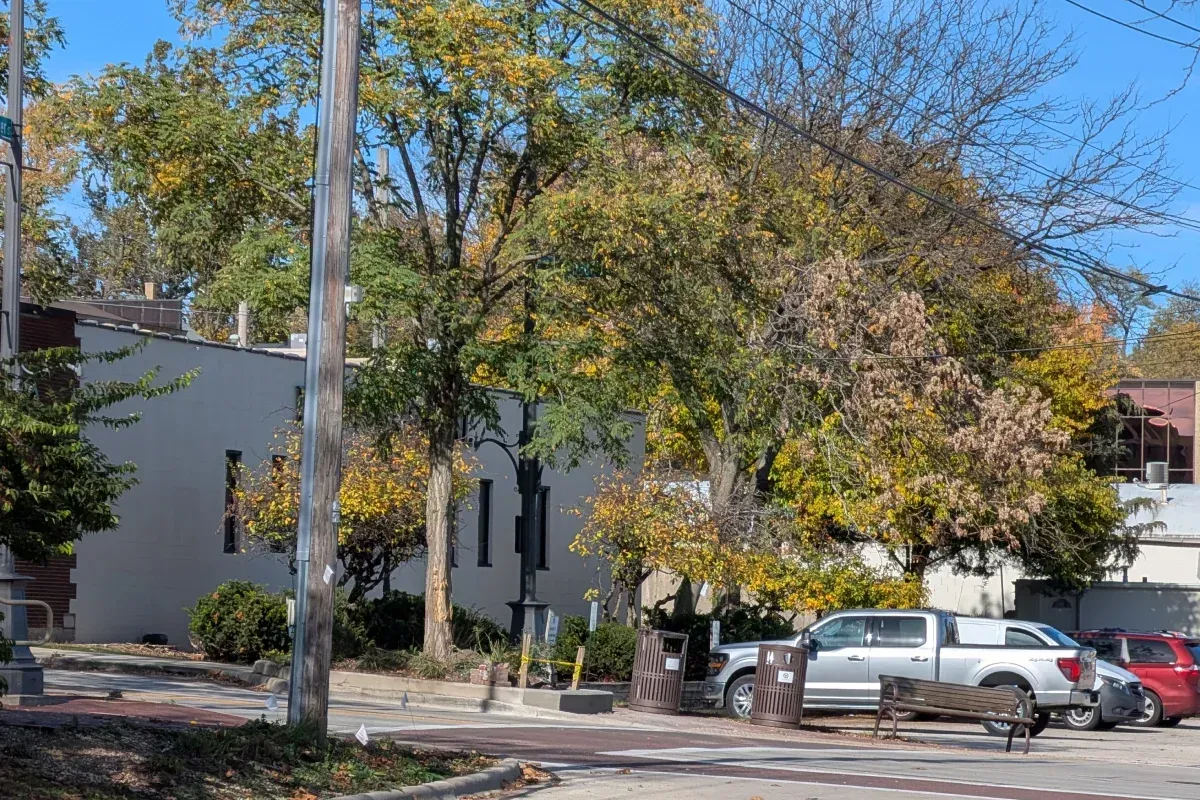
Walk down any block of downtown Batavia on a Saturday morning and you will understand why so many of our patients choose to linger after their appointments instead of rushing home. The limestone storefronts, the sound of the Fox River moving over the old dam, and the smell of coffee drifting out of a century-old building make this one of the more genuinely charming small-town centers in the Chicago suburbs. For the team at Batavia Dental, this isn't just scenery we drive past on the way to the office. It's the backdrop of our daily work and the community we've served for years.
We get asked fairly often by newer patients, especially those who've recently relocated to the Fox Valley, what there is to do nearby after a visit to our office. The honest answer is quite a lot. Downtown Batavia packs an unusual amount of history, outdoor space, and independent retail into a few walkable blocks along the river. Whether you're waiting on a filling to set before you eat, picking up a prescription, or just want a reason to stretch your legs before an appointment, downtown is worth the short drive.
This article is a bit different from our usual oral health topics. Think of it as a local's guide: the history behind the buildings you drive past, the river that shaped the town, and a few practical tips for making the most of a visit to our part of Batavia, Illinois.
In This Article
- The Windmill City: A Short History of Downtown Batavia
- Reading the Architecture: Limestone, Quarries, and Industry
- The Riverwalk and the Fox River's Role in Daily Life
- Shops, Restaurants, and Small Businesses Worth a Visit
- Seasonal Events That Bring the Community Together
- Making the Most of a Downtown Visit Around Your Appointment
The Windmill City: A Short History of Downtown Batavia
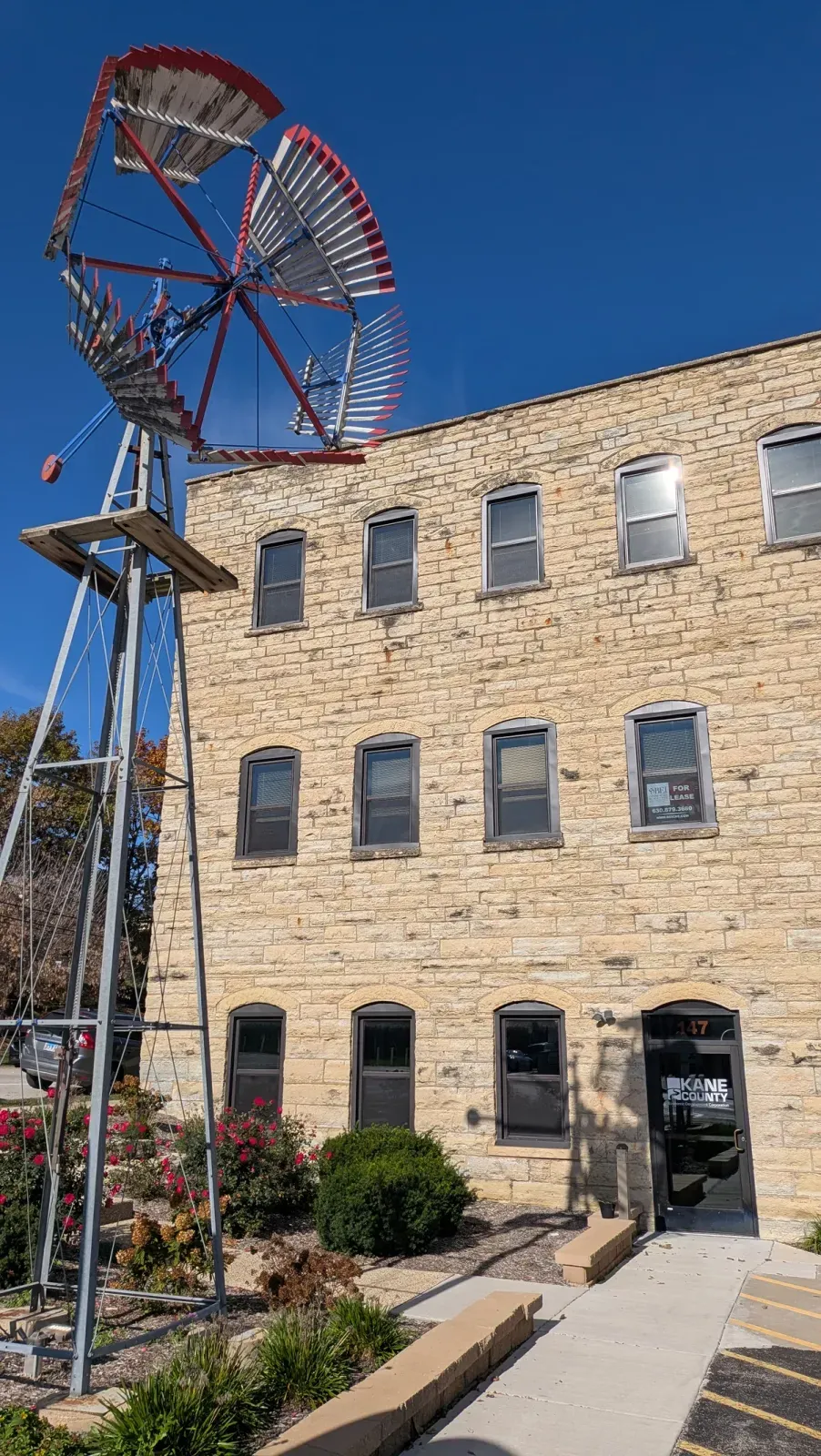
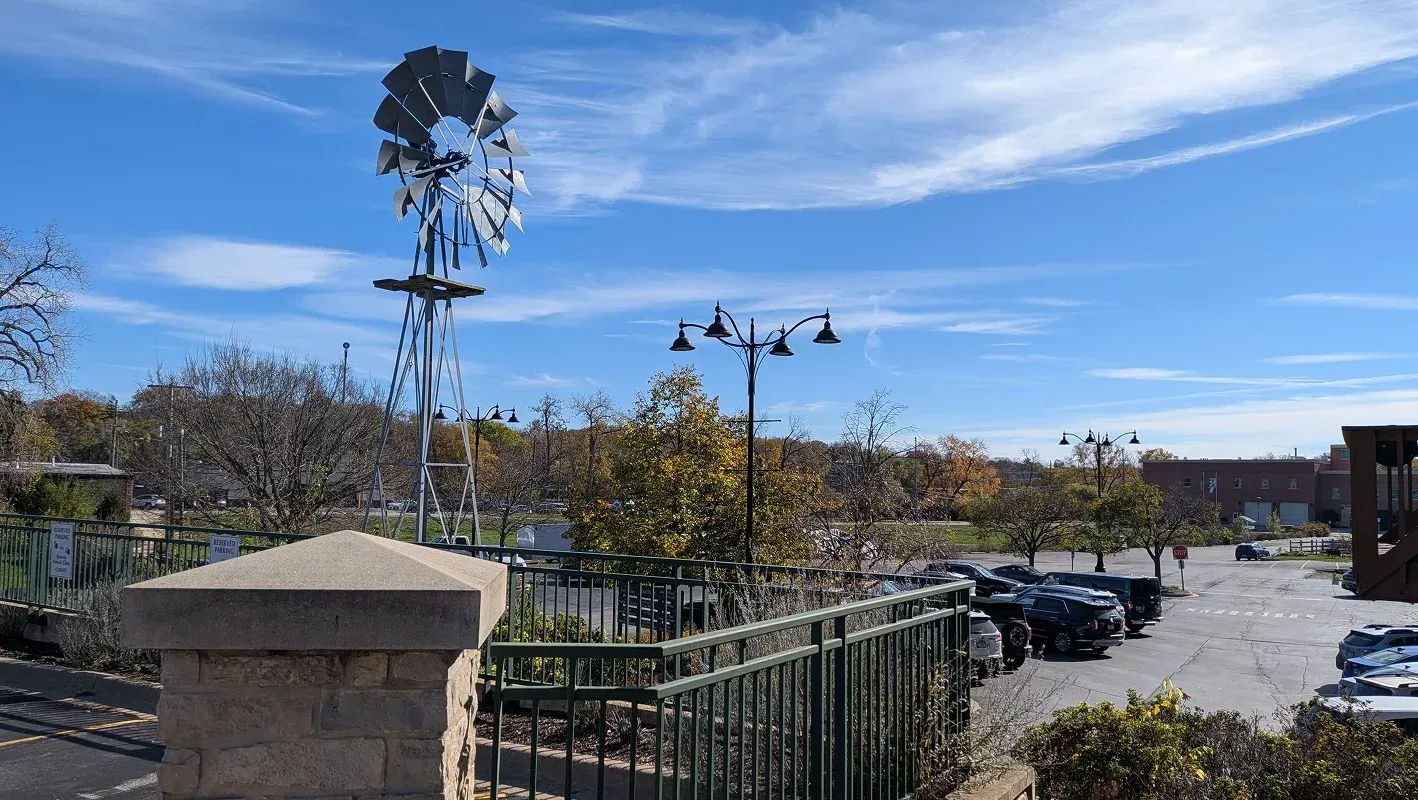
Batavia earned the nickname "Windmill City" in the late 1800s, when several companies here manufactured windmills used on farms across the Midwest. That manufacturing base, combined with easy access to the Fox River and the Chicago, Burlington, and Quincy Railroad, turned a small mill settlement into a genuine industrial center by the turn of the century. Walking through downtown today, you're tracing the same streets that carried horse-drawn wagons loaded with windmill parts and quarried limestone.
The town's layout still reflects that 19th-century logic. Businesses cluster along the river because the river was once the power source, the shipping route, and the reason the settlement existed at all. Many of the buildings standing today were built between 1850 and 1910, and a number of them are listed on the National Register of Historic Places as part of the Batavia Commercial Historic District. That's a rare thing to find intact in a region where so much has been rebuilt or paved over.
What's notable is how little of that character has been lost. Unlike a lot of nearby suburbs that replaced their old main streets with strip malls in the mid-20th century, Batavia kept its original core largely standing. That's part of why so many patients tell us downtown feels more like a small river town in Wisconsin or Michigan than a Chicago suburb, even though we're less than 40 miles from the Loop.
Reading the Architecture: Limestone, Quarries, and Industry
If you pay attention to the building material on Batavia's downtown blocks, you'll notice a lot of pale gray limestone. That stone came from local quarries along the Fox River, some of which operated well into the 20th century. Limestone was cheap, durable, and locally available, so it became the material of choice for commercial buildings, foundations, and even some of the homes in the surrounding historic residential district.
The architectural styles you'll spot walking down Wilson Street or along the river range from Italianate storefronts with tall arched windows to simpler, utilitarian industrial buildings that once housed windmill factories and paper mills. A few structures have been adapted for new uses entirely while keeping their original facades, which is part of what gives downtown its layered feel. You're looking at a working 19th-century industrial town that gradually became a place for boutiques, cafes, and offices without losing its bones.
A Few Landmarks Worth Noticing
- The Batavia Depot Museum sits in a restored 1854 railroad depot and houses artifacts from the town's windmill manufacturing era and early rail history.
- The Fox River dam and hydro building mark the original power source for the mills that built the town's economy.
- Original limestone storefronts along the main commercial strip retain their 1800s facades behind modern storefront windows.
- Island Park, a mid-river park accessible by footbridge, was once the site of a windmill factory and is now a quiet green space downtown.
The Riverwalk and the Fox River's Role in Daily Life
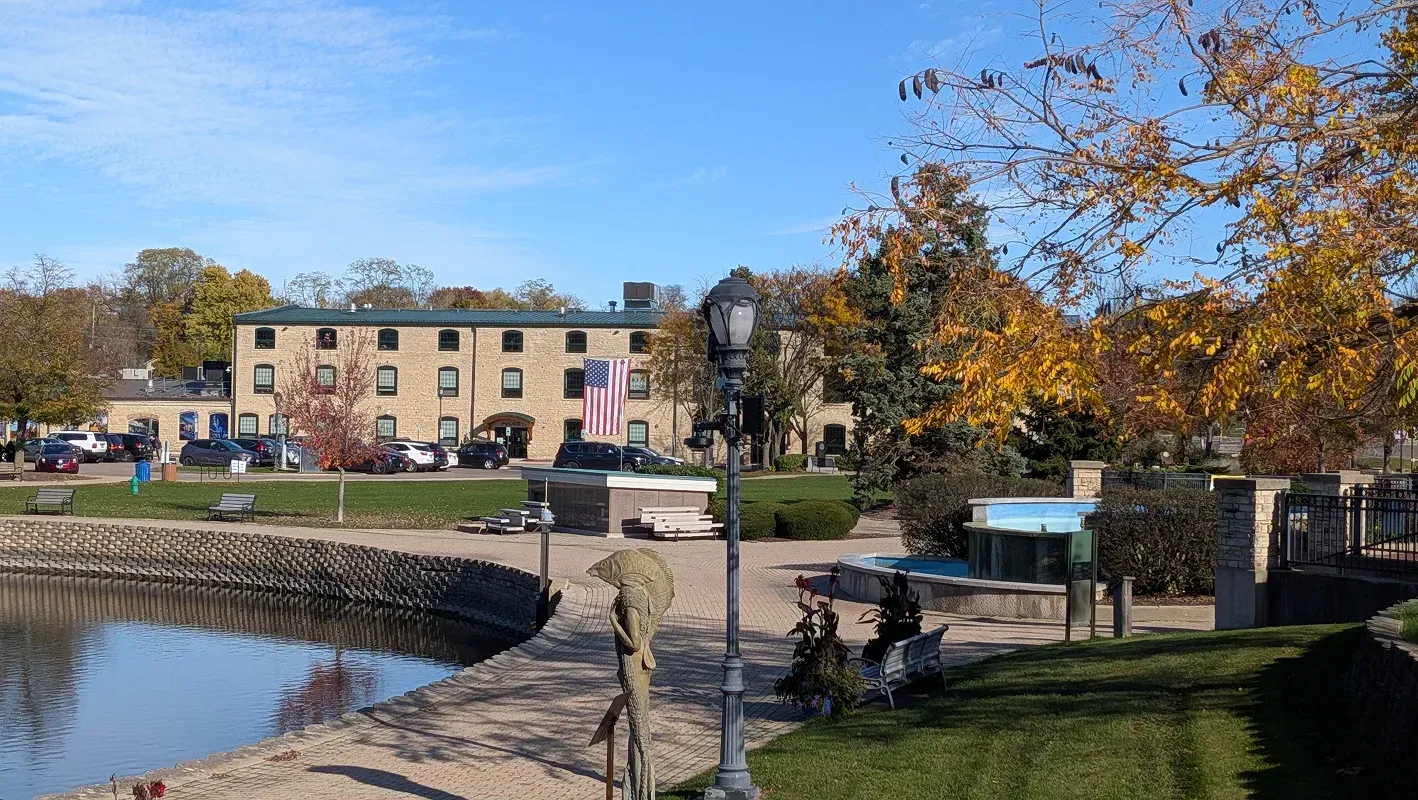
The Fox River isn't just scenery in Batavia; it runs directly through the center of town and shapes how people actually use downtown. The Riverwalk follows both banks for roughly a mile, connecting Island Park to the Depot Museum and several smaller pocket parks along the way. It's paved, flat, and shaded in most stretches, which makes it a genuinely easy walk for people of almost any fitness level or age.
In warmer months, you'll see kayakers putting in near the dam, families feeding ducks from the footbridges, and plenty of people simply sitting on a bench with a coffee from one of the nearby shops. In winter, the same paths get quieter but no less pretty, with the old limestone buildings reflected in slow-moving water that rarely freezes solid near the dam.
For our patients, the Riverwalk has a practical use too. If you've just had a procedure that calls for a short rest before driving, or you simply have twenty minutes between an exam and a scheduled cleaning, a walk along the river is a better option than sitting in a parking lot. It's one small reason we like being located close to this part of town.
Shops, Restaurants, and Small Businesses Worth a Visit
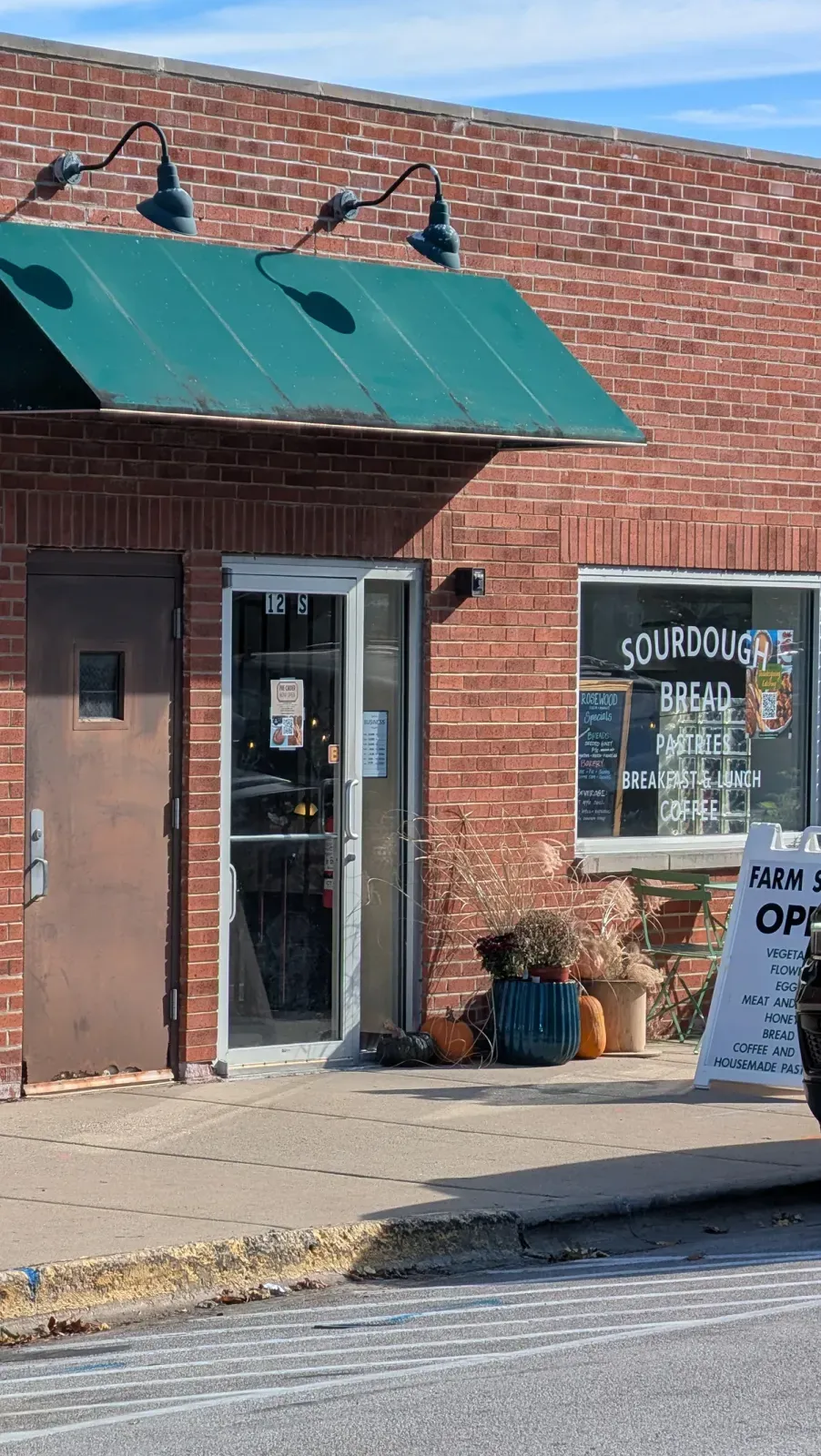
Downtown Batavia has resisted the pull toward national chains better than a lot of nearby towns. Walk along Wilson Street or West Wilson and you'll pass locally owned bakeries, a long-running hardware store, independent boutiques, several family-run restaurants, and more than one coffee shop with regulars who've been coming in for decades. It gives the downtown a lived-in feeling that's hard to manufacture.
Food options range from casual sandwich counters to sit-down dinner spots, and several patios overlook the river directly, which makes for a pleasant stop before or after a dental appointment. If you've had any kind of anesthesia or numbing during treatment, we generally recommend sticking to softer, easy-to-chew foods for a few hours, so a cup of soup or a smoothie from one of the downtown cafes is often a smarter choice than diving straight into a burger.
The retail mix leans toward gifts, home goods, antiques, and specialty shops rather than big-box convenience, which makes downtown better suited to a slower, intentional visit than a quick errand run. It's the kind of place you plan twenty extra minutes for, and usually end up staying longer anyway.
Seasonal Events That Bring the Community Together
Batavia's downtown calendar is busy almost year-round. Windmill City Festival in late summer draws crowds for live music, food vendors, and a car show that spills across several blocks near the river. The Fourth of July brings a parade and fireworks that light up the sky above the water, and the holiday season turns the storefronts into a genuinely festive scene with a tree lighting and small-business shopping events that locals look forward to each year.
Farmers markets run through the warmer months in a riverside lot, giving residents direct access to produce, baked goods, and local vendors without needing to drive out of town. These events matter beyond the fun factor. They're part of what keeps downtown's independent businesses viable, which in turn keeps the historic buildings occupied and maintained rather than sitting empty.
If you're scheduling a dental visit around a known event weekend, it's worth calling ahead, since parking downtown gets tighter during festivals. Our office can usually help you plan appointment timing that avoids the busiest hours if you let us know you've got a downtown trip planned the same day.
Making the Most of a Downtown Visit Around Your Appointment
Plenty of our patients build a downtown stop into their regular dental visits, and it genuinely makes the whole experience feel less clinical. A few practical notes can help, especially if you're newer to the area or coming in for something beyond a routine checkup.
If your visit involves a procedure like a filling, a crown fitting, or anything requiring local anesthesia, plan your downtown stop for after the numbness wears off, generally two to four hours, so you're not biting your lip or cheek without realizing it. For more involved procedures such as an extraction or dental implants, we'd suggest skipping a big downtown lunch altogether and sticking to the recovery guidance we give you at checkout. On the other hand, a routine visit for dental cleanings and exams leaves you completely free to enjoy a full downtown afternoon, coffee, walk, and all.
Families scheduling visits for kids often pair appointments with a trip to Island Park afterward as a bit of a reward, which we're always happy to hear about. And if you're coming in for something more complex, like evaluating options under cosmetic dentistry or discussing clear aligners, we can usually schedule consultation appointments earlier in the day so you still have the afternoon free to explore downtown without feeling rushed between work and errands.
Key Takeaways
- Downtown Batavia's limestone buildings date largely from the 1850s to 1910s and reflect the town's windmill-manufacturing history.
- The Fox River and its mile-long Riverwalk connect Island Park to the Depot Museum, offering an easy, scenic walk for all ages.
- Local shops, restaurants, and seasonal festivals keep downtown's historic buildings active rather than vacant.
- Timing a downtown stop around dental procedures is easy if you plan for numbness, anesthesia recovery, and appointment length.
- Batavia Dental's location near downtown lets patients combine checkups with a walk, meal, or errand downtown.
Frequently Asked Questions
Is downtown Batavia within walking distance of Batavia Dental?
Our office sits close enough to downtown that many patients choose to park once and walk between both. It's typically just a few minutes' drive or a short, comfortable walk depending on exactly where you're coming from, which makes it easy to combine an appointment with a stop downtown.
What's the best time of year to visit downtown Batavia?
Late spring through early fall offers the most going on, with farmers markets, outdoor patio seating, and the Windmill City Festival in late summer. That said, the holiday season downtown has its own appeal, with lit storefronts and a genuinely festive, small-town atmosphere.
Is parking easy to find downtown?
Most days, yes. There are several public lots within a short walk of the main commercial strip, along with metered street parking. During major festivals or holiday events, lots fill up faster, so arriving a bit earlier or parking slightly farther out is a good idea.
Can I eat downtown right after a dental procedure?
It depends on the procedure. If you've had local anesthesia, wait until the numbness fully wears off before eating to avoid accidentally biting your cheek or lip. For more involved treatments, we'll give you specific guidance on timing, and softer foods from a downtown cafe are usually a safe, comfortable choice.
Are there family-friendly spots downtown for kids after an appointment?
Island Park is a popular choice, with open green space and easy access from the Riverwalk. Several ice cream and treat shops downtown also make for a nice stop after a cleaning, especially for younger patients who've been looking forward to a reward.
A Town Worth Slowing Down For
Downtown Batavia isn't a place that was designed for tourists or built around a single attraction. It grew out of real industry, real river traffic, and generations of families who chose to stay rather than move on, and that history is still visible in the limestone storefronts and the dam that still hums along the Fox River. For us, working just outside that historic core is one of the genuine perks of practicing dentistry here rather than in a generic office park somewhere.
Next time you've got an appointment on the calendar, give yourself a little extra time before or after to walk a block or two downtown. Whether that means a coffee by the river, a browse through a shop that's been open since before you were born, or simply a quiet bench with a view of the dam, it's a small way to turn a routine dental visit into something a bit more enjoyable. We're glad to be part of this community, and we're always happy to talk through appointment timing if you're planning a longer day downtown.